


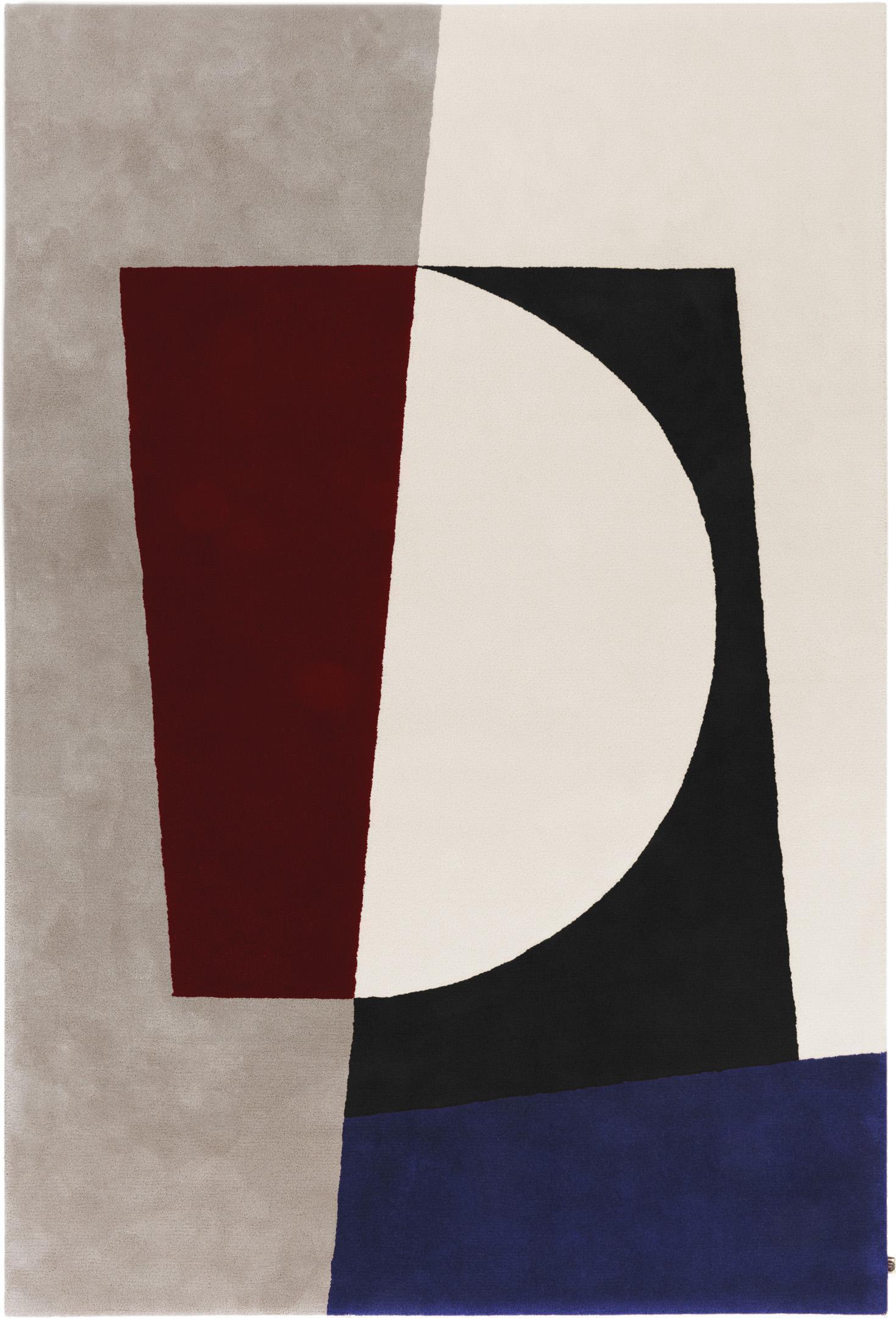




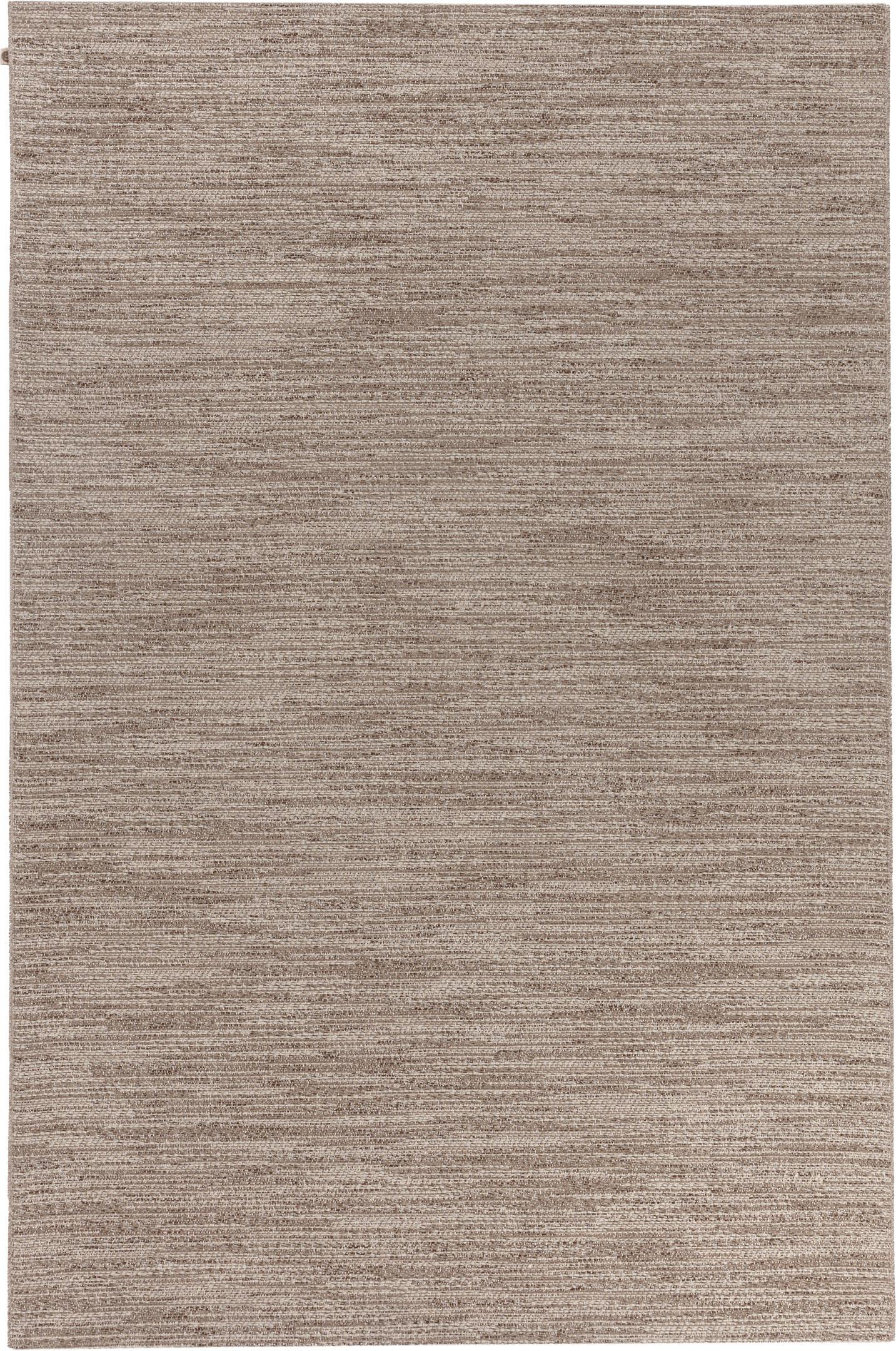


Rug 170x240 cm: the versatile mid-size for multiple rooms
170x240 cm is one of the most flexible sizes there is. Large enough to accommodate a seating group and give the room structure, compact enough that the room stays uncluttered. That is precisely why this format works as a living room rug, in the bedroom, in the dining area, and in the hallway.
A medium-sized rug in this size draws a clear zone: it pulls the furniture together, absorbs sound, and makes the room instantly warmer and calmer. For living rooms with a two-seater up to a compact three-seater plus coffee table, 170x240 cm is the standard choice. If your sofa falls into this category, you are rarely wrong with it.
The most common question is: too small or too large? 170x240 cm sits deliberately in the middle. Compared to a small 140x200 cm, the surface feels more generous and accommodates more furniture. Compared to a large 200x300 cm, you retain more space to move and the room does not appear visually smaller. This balance is the real reason why the format is so popular.
Which material for which 170x240 cm rug: wool, cotton, synthetics
The choice of material determines maintenance effort and durability. Align it with how the room is used and you will make the right decision.
Wool
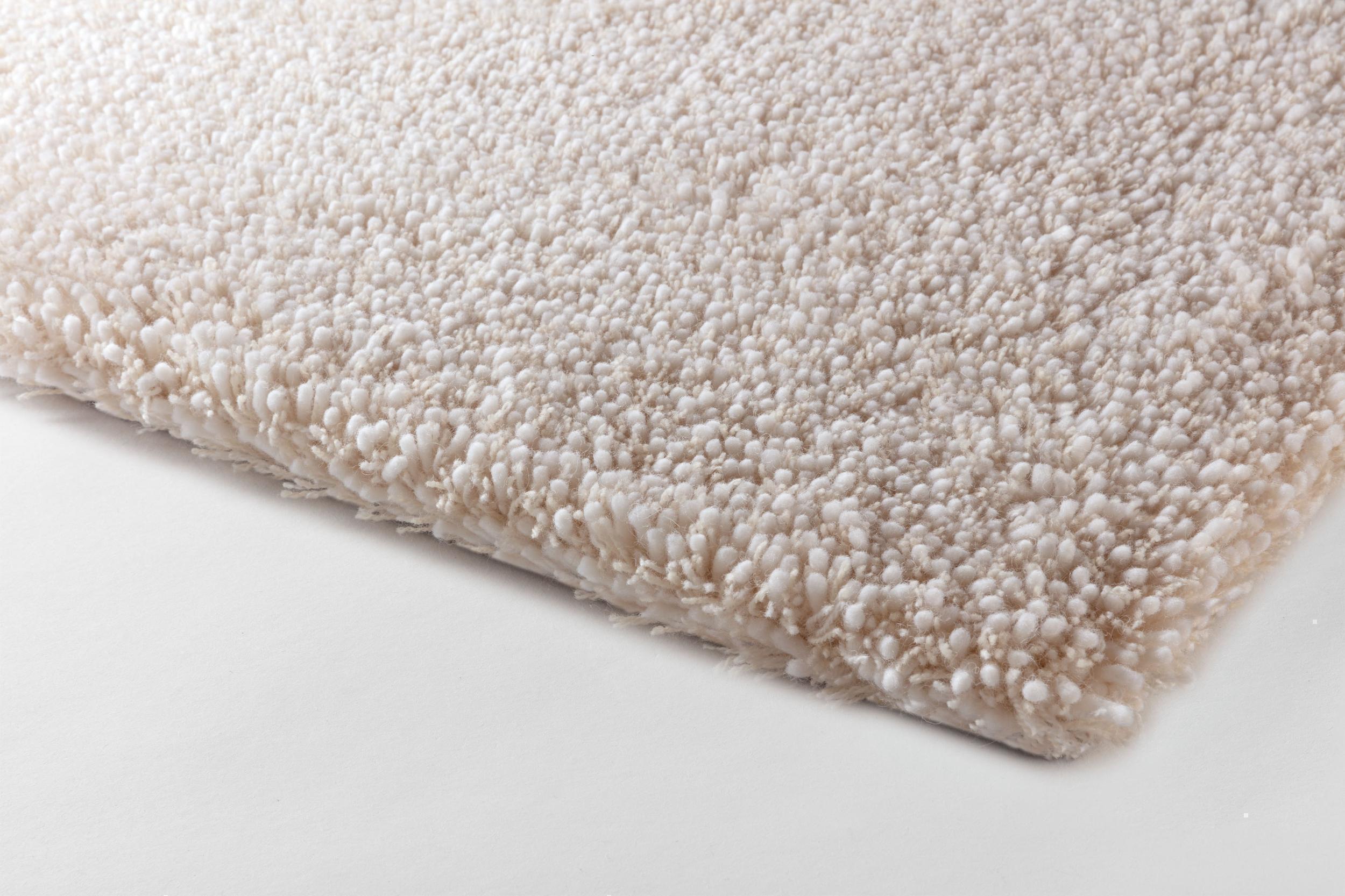
Wool is thermally insulating, temperature-regulating, and at the same time fine and soft. It naturally absorbs very little moisture, which makes it easy to care for. The natural lanolin in the fibre makes a wool rug more resistant to stains, a strong argument in a family household. With good care, a high-quality wool rug will last many years. New pieces may shed a little at first, but this settles on its own over time.
Cotton
Cotton is lightweight, breathable, and kind to the skin. The pile is directionally stable, so the rug holds its shape well. Smaller cotton rugs can sometimes be machine-washed, but for a format like 170x240 cm this is practically not feasible. Plan for local cleaning rather than machine washing.
Synthetics
Synthetic fibres such as polypropylene and polyester are hardwearing, long-lasting, and easy to care for. They are well suited to heavily used areas and tend to harbour less dust and dust mites than natural fibres. Viscose brings a silky sheen and a soft feel, but it absorbs moisture and can develop mould if it dries too slowly. In damp or heavily used zones, robust synthetic fibre is the safer choice. For outdoor use, opt for an outdoor rug made from weather-resistant synthetics.
High pile or low pile for a 170x240 cm rug
Pile height determines feel and effort. High pile feels particularly soft and warm and creates a cosy atmosphere underfoot. The trade-off: high pile traps more dust and requires more effort to clean.
Low pile is hardwearing, easy to clean, and the right choice for heavily trafficked areas. For example, in an entrance hall with a lot of footfall, a low-pile rug shows its strengths as a robust alternative to a living room rug. Furniture is also easier to move on low pile than on high pile. Modern rugs are available in both variants; decide by room: a cosy zone in the bedroom tends towards high pile, a walkway and dining area tend towards low pile.
Rug 170x240 cm in an open-plan living and dining area as a zone divider
In open-plan layouts, 170x240 cm is a powerful tool for visually separating the living room zone from the dining area. You place the rug under the seating group, marking out the living area and deliberately leaving the dining area free. This creates two clearly defined zones within one room.
To make the seating group feel cohesive, it is sufficient for only the front legs of the sofa and armchairs to rest on the rug. This approach ensures that 170x240 cm remains structuring even in an open-plan space.
Medium-sized rug: the most common mistakes when buying
By far the most common mistake is buying the rug too small. A rug that is too small makes a furniture group look restless and haphazard, as though it were placed there by chance. Conversely, a rug that is too large and reaches close to the walls can make the room appear visually smaller.
- Chosen too small: The seating group stands entirely off the rug and the surface looks lost.
- Too close to the wall: Leave breathing room all around rather than running up to the skirting board.
- Wrong pile height for the room: High pile in a walkway creates more work than pleasure.
- Material does not suit the use: Viscose in a damp zone is the wrong choice.
Day-to-day care: stains, vacuuming, longevity
A 170x240 cm rug is straightforward in everyday life if you keep a few points in mind. Vacuum thoroughly once a week, more often in heavily used rooms. With high pile, use lower suction to protect the fibres.
With stains, speed matters: blot fresh stains immediately rather than rubbing, as rubbing pushes the stain deeper into the fibres. A fresh red wine stain is best treated immediately with salt, which absorbs the liquid. For odours, bicarbonate of soda mixed with water, sprayed on and left overnight, does the job. For wool, avoid alkaline cleaning agents as they damage the fibres. After a large-scale wet clean, let the rug dry for at least 24 hours before walking on it again.
For a long service life: turn the rug regularly to prevent uneven wear from walkways and the weight of furniture. Prolonged direct sunlight bleaches the colours, so avoid placing it in front of south-facing windows. An anti-slip underlay prevents the rug from sliding and creasing, which also extends its lifespan. Cut it approximately 2.5 to 5 cm smaller than the rug on all sides so it remains invisible.
How to find the right size for your floor plan
Measure your room and compare it against these values, and you will buy with confidence.
Living room
170x240 cm typically suits a two-seater sofa with a coffee table, with the front legs resting on the rug. Up to a sofa length of approximately 240 cm the format works reliably; from around 260 cm it starts to feel tight. With a coffee table of approximately 100x60 cm, the rug should extend 30 to 40 cm beyond the table on all sides.
Distance from the wall
Ideally, leave 20 to 40 cm between the edge of the rug and the wall. This border allows the rug to breathe and keeps the room feeling open.
Dining room
Under a dining table, the rug must be large enough that chairs which have been pushed back still stand fully on it. As a rule of thumb, it should extend at least 60 to 75 cm beyond each edge of the table. With a table measuring 120x80 cm, a 170x240 cm rug fits placed sideways. For larger dining tables from 140 cm in length, it is worth moving up to 200x290 cm.
Bedroom
Placed across the foot of a bed up to 160 cm wide, 170x240 cm works well, with around 40 cm of overhang on each side. With a double bed 180 cm wide, the format is insufficient as a full underlayer as too little surface remains at the foot. For that, 200x300 cm is the better choice.
