
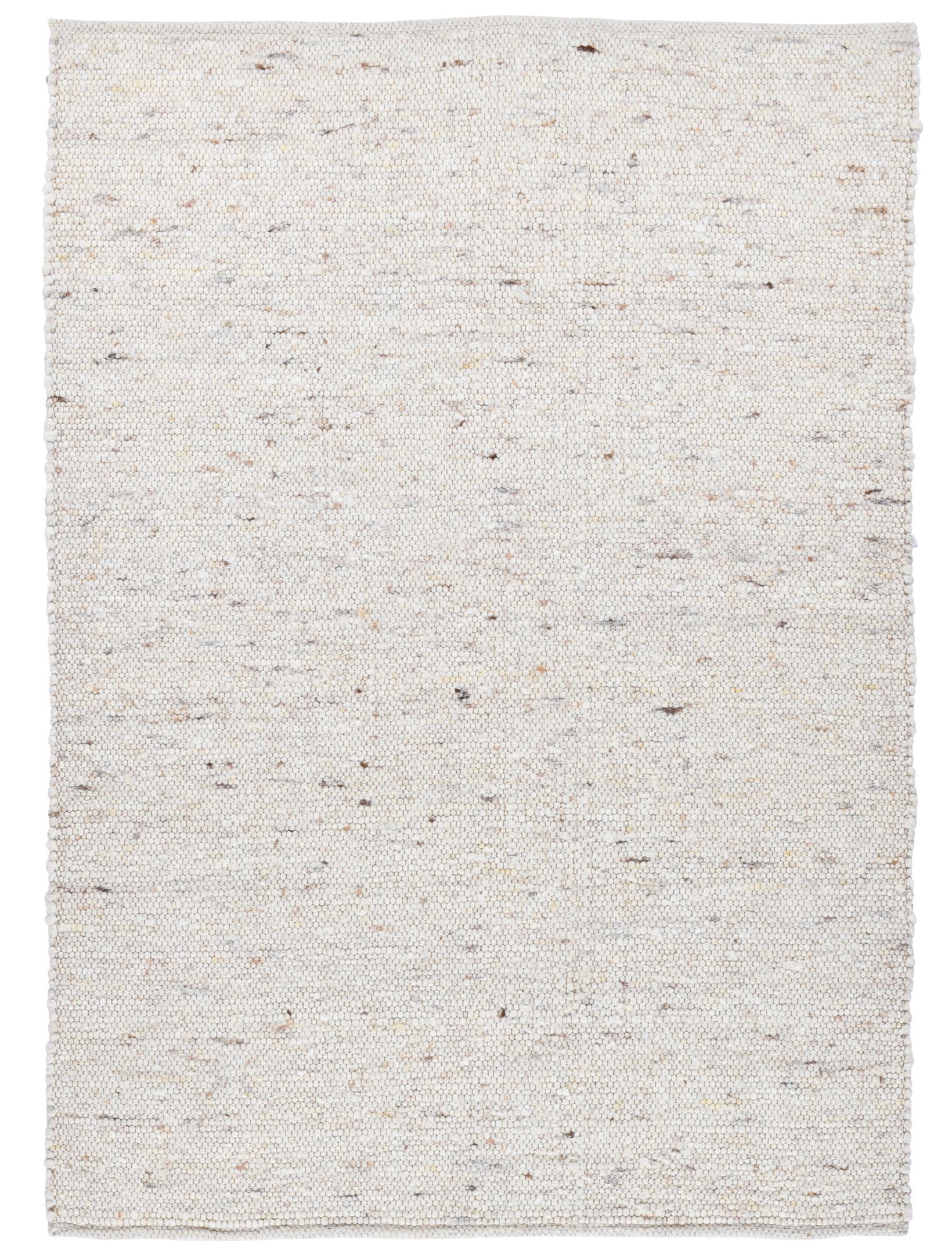
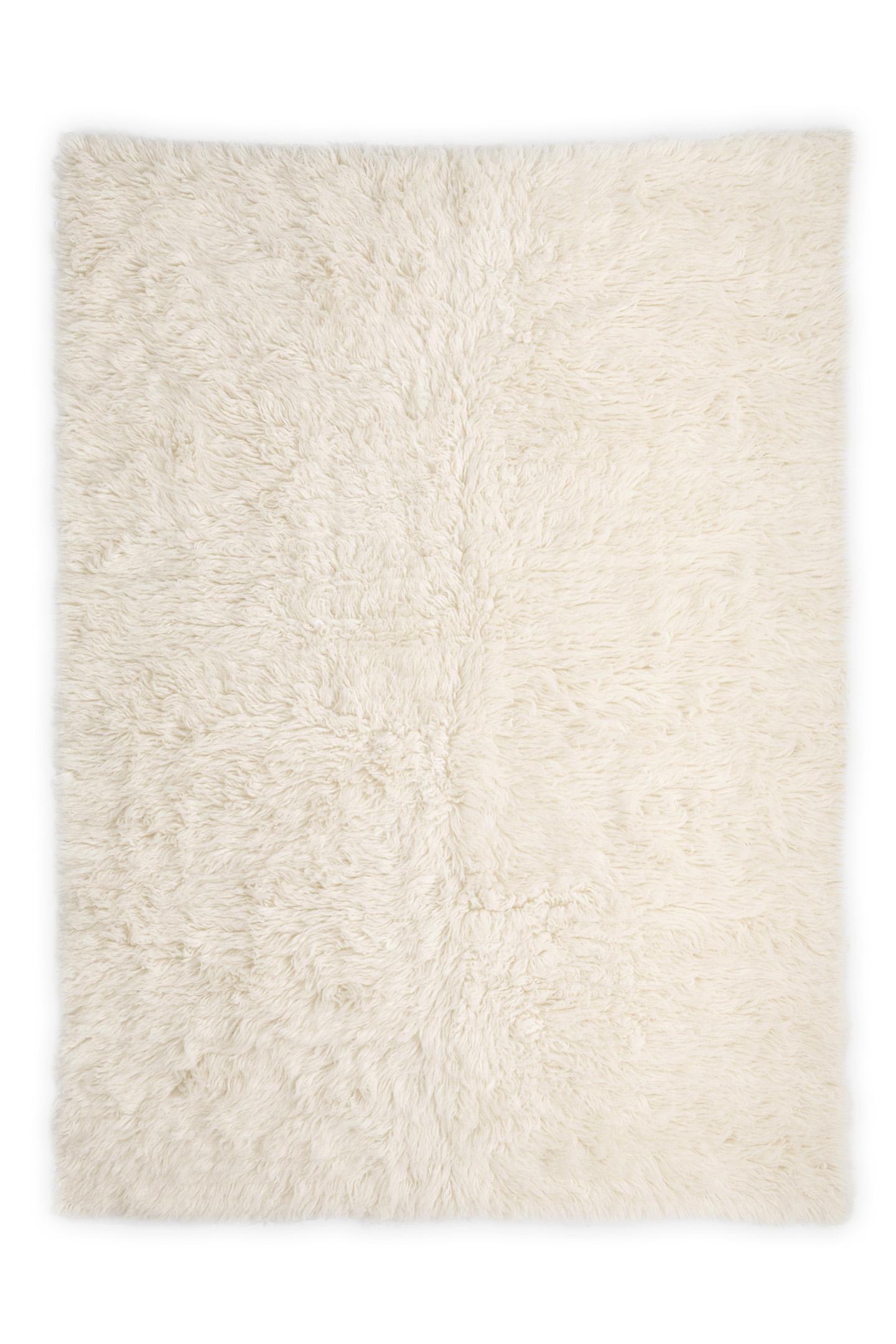


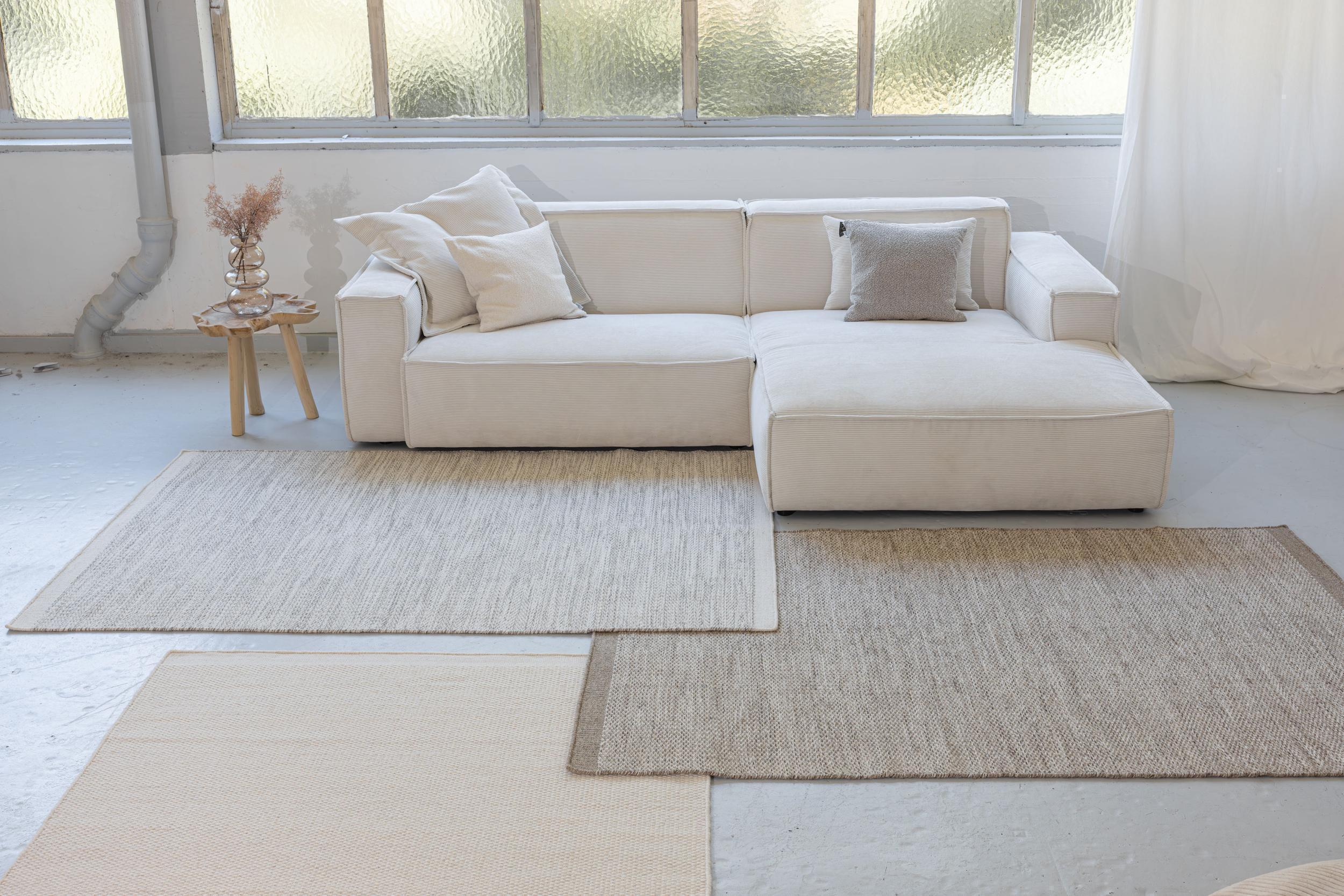


Wool Rug: Warmth, Calm and Substance in a Room
A wool rug transforms a room faster than almost any other piece of furniture. You lay it down, and the room immediately feels warmer, calmer and more refined. This is not an optical trick but a result of the material: wool brings genuine substance that you feel beneath your feet and hear in the acoustics of the room.
Anyone switching from synthetic fibre to a rug made of wool will notice the difference on the very first evening. On the parquet floor in the living room, the soles of your feet feel noticeably warmer, and the reverberation drops considerably. Wool rugs absorb sound and are therefore particularly well suited to rooms with hard floors. In winter they retain a pleasant warmth; in summer they act as a temperature regulator.
A wool rug is less about short-lived décor and more about domestic comfort with a material that is robust and suited to everyday life. That is precisely why it is worth thinking carefully about quality: a good wool rug will accompany you for decades.
What Makes Wool Unique as a Natural Material: Lanolin, Elasticity, Indoor Climate
The most common type of wool used for rugs is sheep's wool, often referred to as virgin wool. Virgin wool comes exclusively from the shearing of living sheep and is therefore considered particularly high quality. New Zealand wool is additionally fine, soft and pure white, making it well suited to processing and dyeing.
The most important point for your care questions: wool naturally contains wool grease, known as lanolin. This grease makes the fibres resistant to dirt and water. Spills remain on the surface for a moment rather than soaking in immediately. Added to this is a loose, crimped, voluminous fibre structure that keeps the rug dimensionally stable. Wool's elasticity also means it recovers from pressure marks left by furniture.
Wool also contributes to the indoor climate. It can absorb up to 33% of its own weight in moisture without feeling wet, and releases this moisture again when the air is dry. This regulates the humidity and creates a pleasant atmosphere in the room. Wool is also antistatic, which means it attracts less dust than synthetic fibres. And it is naturally difficult to ignite.
How Long Does a Wool Rug Last? Durability by Manufacturing Method
How long your rug lasts depends above all on the manufacturing method. It is worth looking closely before buying a rug.
- Hand-knotted: The upright pile consists of thousands of knots. The pattern appears in mirror image on the reverse, and the fringes are part of the warp threads. A hand-knotted wool rug lasts 60 to 100 years under normal domestic use, with exceptional pieces lasting up to 120 to 200 years.
- Hand-tufted: The reverse is bonded with canvas or latex, concealing the knot structure. Such rugs typically last 5 to 15 years before the latex backing ages.
- Machine-made: The fringes here are usually only sewn on and are purely decorative. Machine-made rugs last 8 to 20 years before the pile wears down and the material becomes brittle.
Consider the maths: a hand-knotted wool rug lasting 60 to 100 years compared to a machine-made piece lasting 8 to 20 years. Over time, the more expensive purchase is often the more economical choice. That is the sustainable thinking behind wool: a piece that endures rather than being replaced regularly.
Placing a Wool Rug Correctly in the Living Room and Dining Room
Wool Rug in the Living Room
In the living room, the rug serves as the reference point for the seating arrangement. Ideally, at least the front legs of the sofa and armchairs rest on the rug, so that the seating area reads as a cohesive zone. In front of the sofa, the rug should extend approximately 20 to 30 cm beyond the sofa's width on each side. Between the edge of the rug and the wall, leave ideally 20 to 40 cm of space, so that the rug appears deliberately placed rather than like full-surface flooring.
Wool Rug in the Dining Room
In the dining room, a rug dampens noise and provides a warm underfoot surface around the dining table. The key requirement is that the chairs, even when pulled back, still stand on the rug when someone gets up. In practice, this means at least 60 to 75 cm longer and wider than the table. With a round dining table of 100 cm diameter, for example, a round wool rug with a 200 cm diameter fits well, keeping the chairs on the rug when pushed back.
The Right Size for Your Sofa, Dining Table and Bed
Choosing a rug that is too small is the most common mistake. In an open-plan living room it visually disrupts the seating arrangement, making the furniture look lost and disconnected. A rug that is too large, on the other hand, makes the furniture appear to float. These rules of thumb will quickly guide you to the right size:
- Sofa: Choose a rug approximately 20 to 30 cm wider than the sofa on each side. Common standard sizes for living rooms are 170 x 240 cm and 200 x 300 cm.
- Dining table: The rug should extend at least 60 to 75 cm beyond each edge of the table, so that the chairs remain on it when pulled out.
- Bed: In the bedroom, the rug extends approximately 50 to 70 cm beyond the bed on each side, so that you step onto something warm in the morning.
Measure the space before buying and mark the outline with painter's tape on the floor. This lets you see the effect before you decide.
Caring for Wool Rugs in Everyday Use
Now to the most important question when buying: is a wool rug easy enough to care for every day? Yes, with a few simple rules.
The most important thing is regular vacuuming, roughly once a week. Blot fresh stains immediately with an absorbent cloth, pressing gently rather than rubbing, as rubbing works the stain deeper and roughens the fibres. For cleaning, use only mild, pH-neutral, wool-specific products. Bleach and aggressive chemicals damage the fibre and must be kept away. Do not soak or wring a wool rug. After cleaning, lay it flat and allow it to air dry, away from direct sunlight or heat sources such as a hair dryer.
Depending on how much use the rug gets, a professional deep clean once or twice a year is advisable. Whether your rug can go in the machine is determined solely by the care label. Some smaller wool rugs are machine-washable according to their label; many are not. If no indication is given, clean by hand or check with the manufacturer.
Does a New Wool Rug Shed?
Yes, and this is completely normal. A new wool rug sheds short fibres in the first few weeks, fibres that were not yet firmly anchored in the yarn during spinning. With genuine wool rugs, this shedding is even considered a quality characteristic. It diminishes noticeably after around 4 to 6 weeks of regular use; individual fibres may occasionally appear for up to a year. Regular vacuuming helps. If individual threads stick up noticeably, trim them with small scissors rather than pulling them out.
Where a Wool Rug Works Well and Where to Consider Alternatives
A wool rug is at home in the living room, bedroom and dining room. It is also well suited to underfloor heating: wool has a comparatively low thermal resistance, and hand-knotted wool rugs have no bonded backing. Here, opt for a low to medium pile height so that the heat can circulate freely. A dense high pile restricts the heating performance.
For allergy sufferers, wool is a good choice. The lanolin makes it difficult for house dust mites to thrive, and the fibre binds dust from the air, which you then vacuum away. Short pile variants are recommended, while high pile, shaggy and fluffy models are less suitable for sensitive individuals.
Wool is not suitable for permanently damp rooms. In the bathroom, the material gradually decomposes when exposed to constant moisture. There, more robust natural fibres such as a sisal rug or jute, or a moisture-resistant synthetic fibre, are the better choice. In living rooms, bedrooms and dining rooms, however, a wool rug is perfectly at home.
Common Mistakes When Buying a Wool Rug
- Choosing too small: The most common mistake. Measure up and use the rules of thumb above.
- Ignoring the manufacturing method: Hand-knotted, hand-tufted or machine-made makes a significant difference in durability and price. A look at the reverse reveals how it was made.
- Mistaking shedding for a defect: Initial shedding is part of genuine wool and settles down after a few weeks.
- Wrong room: Placing wool in the bathroom significantly shortens its lifespan. More suitable materials exist for damp rooms.
- Wrong pile height with underfloor heating: A pile that is too dense restricts the heat. Low to medium is the right choice here.
