






Anyone looking for a light, calm floor covering will sooner or later arrive at beige
No shade fits as effortlessly into existing interiors as beige. Living rooms feel more inviting, bedrooms more restful, and even small spaces gain a sense of openness. The colour gets in the way of no furniture group; instead, it provides the right foundation beneath it. Anyone searching for a beige rug today usually wants exactly that: a light, warm base that holds the room together without dominating it. On this page we explain which beige tone suits which setting, which materials work for which lifestyle, how to choose the correct size, and how easy a beige rug really is to care for.
Everyday practicality first: care and choice of material
Many purchasing decisions for beige rugs come unstuck over a single question: "Does every stain show?" The honest answer is: it depends above all on the material and surface texture, and very little on the colour alone.
- Synthetic fibre (polypropylene, polyester): The most robust everyday choice. Liquids often bead off the surface, which can be wiped down when damp. Ideal for families, pet owners and heavily used rooms such as dining rooms or hallways.
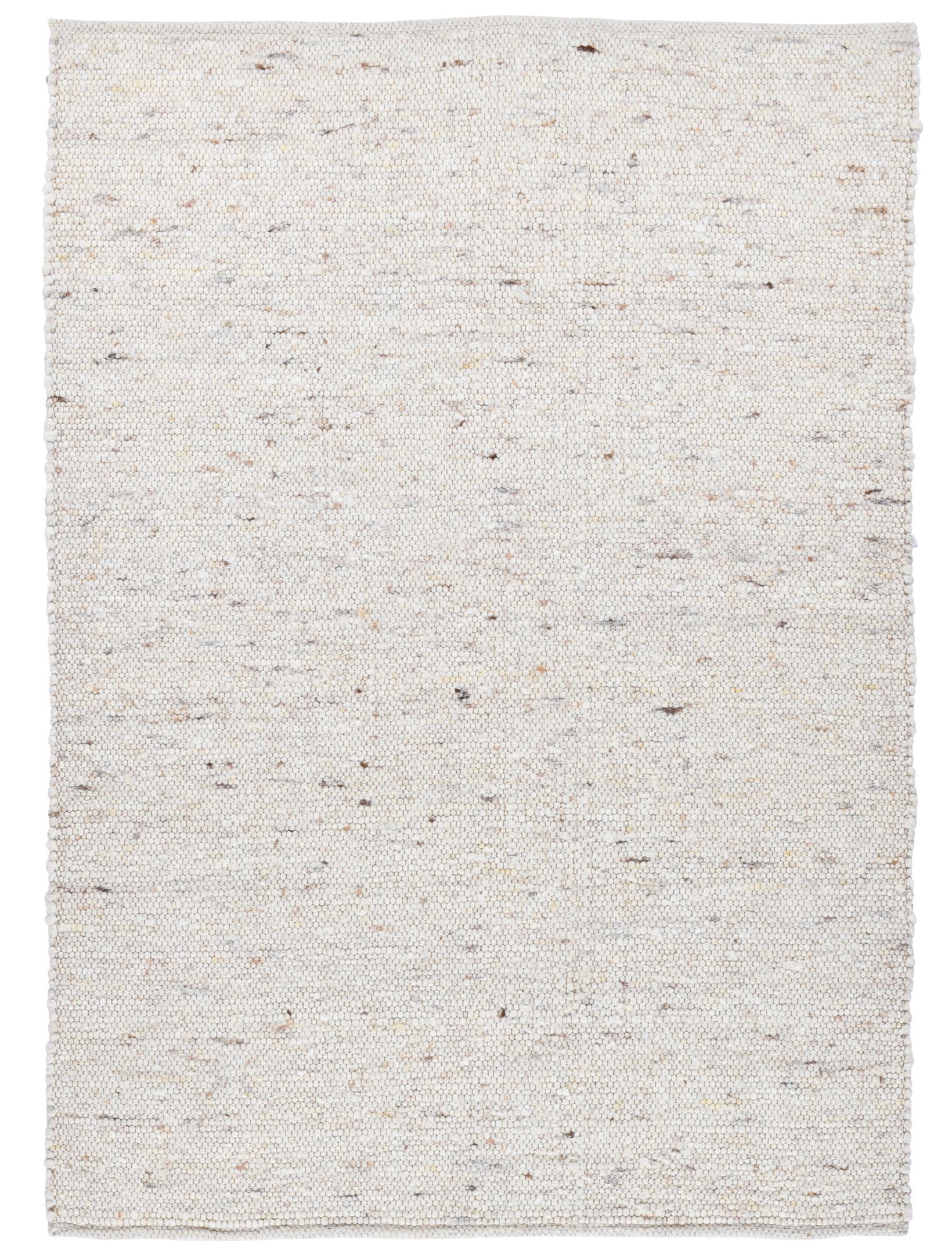
- Wool: Naturally dirt-repellent and long-lasting. A flecked wool rug in beige is far more forgiving of everyday marks than a smooth, plain model in very light cream. The best long-term investment for living rooms and bedrooms.
- Cotton: Lightweight, straightforward and sometimes machine-washable. Well suited to smaller rugs in children's rooms or kitchens.
- Jute and sisal: Natural texture with a characteristic surface. Suitable for dry living areas, but less advisable in damp rooms.
- Viscose and Tencel: Silky sheen and an elegant look, but more demanding to care for. Better suited to quiet rooms such as the bedroom than to dining rooms or hallways.
A general rule for all materials: blot stains immediately, never rub. Low-pile and flat-woven rugs are easier to keep clean in any material than high-pile models.
The beige tones at a glance: cream, sand, greige, taupe
Anyone searching online for a beige rug quickly encounters a whole family of related shades. Choosing the right tone makes the difference between a rug that works beautifully in the room and one that looked better on screen than in reality.
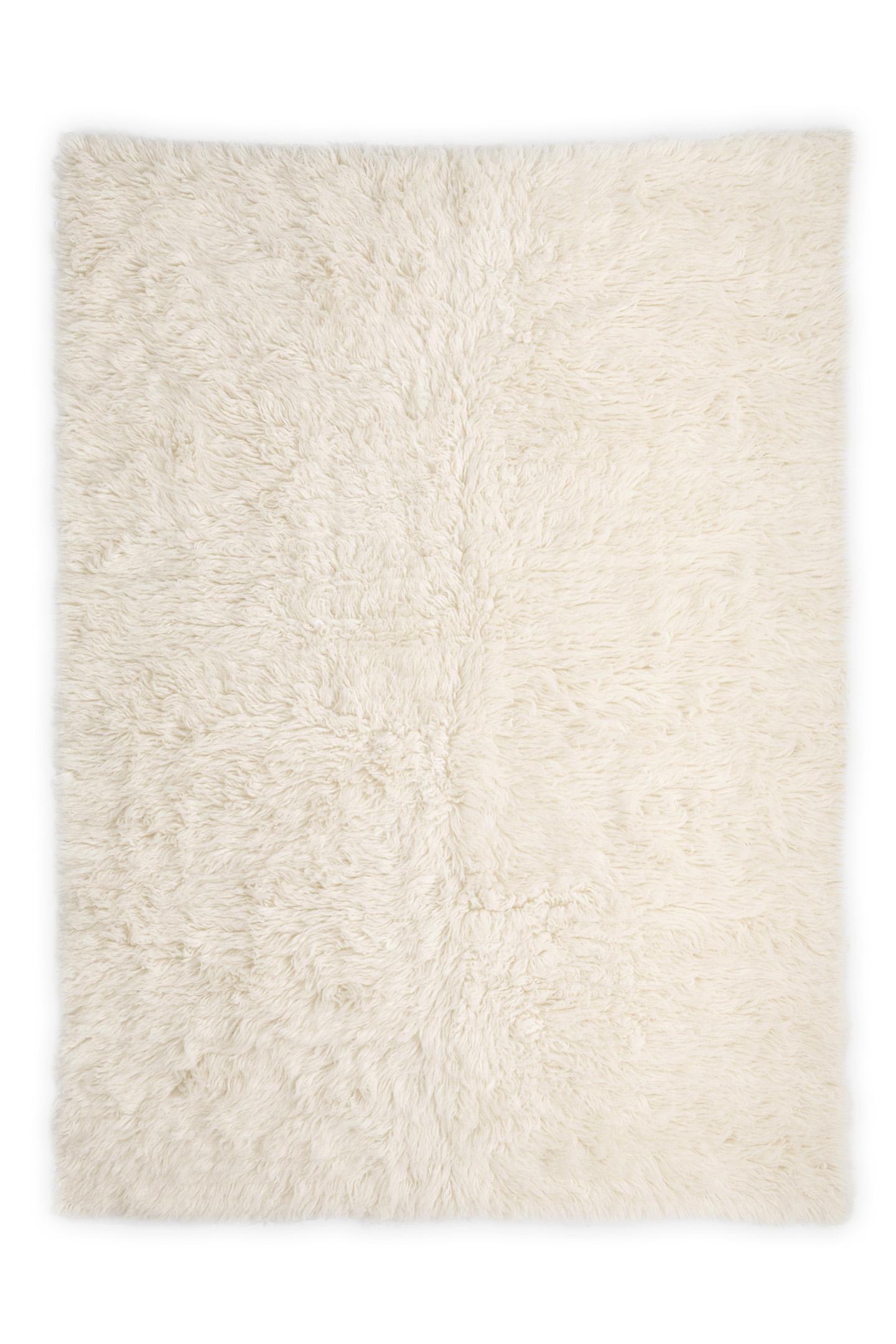
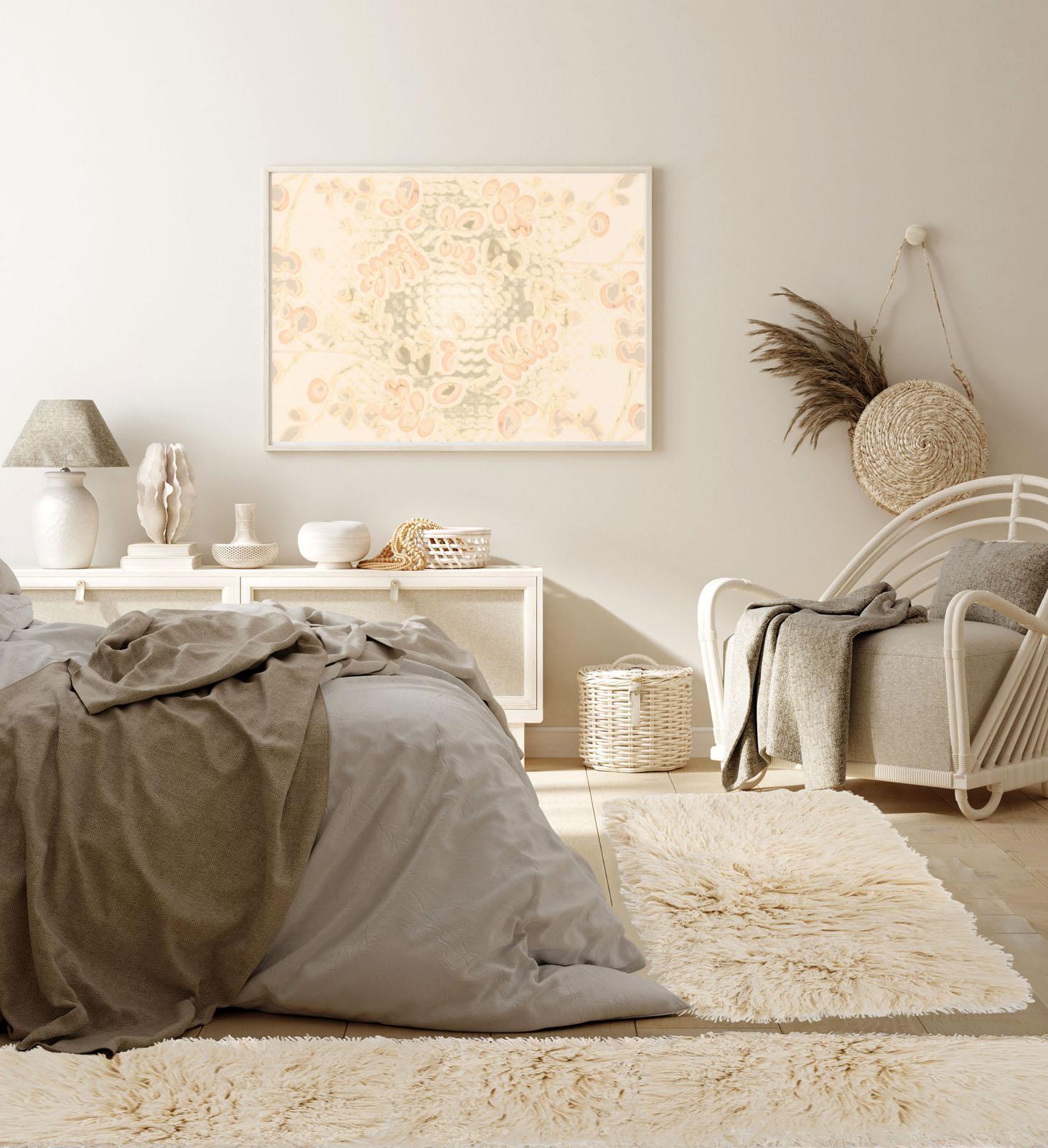
- Cream rug: The lightest shade in the beige family. Feels soft and welcoming, especially in light-filled bedrooms. In heavily used areas, a textured or flecked surface is advisable.
- Sand: Warm, natural and homely. Pairs particularly well with wooden floors, natural materials and warm wall colours.
- Greige rug: The modern blend of beige and grey. Feels contemporary and calm, and suits rooms with a grey sofa or cool accent colours excellently.
- Natural beige: Neutral and versatile. Works in almost any interior style and combines easily with other colours.
- Taupe rug: Darker and more elegant than classic beige. Creates depth and adds emphasis where other beige tones would appear too light.
Anyone uncertain about the shade should use a sample service. This allows the tone to be assessed in the actual room and in real daylight before a decision is made.
Combining beige: furniture, floors and colours
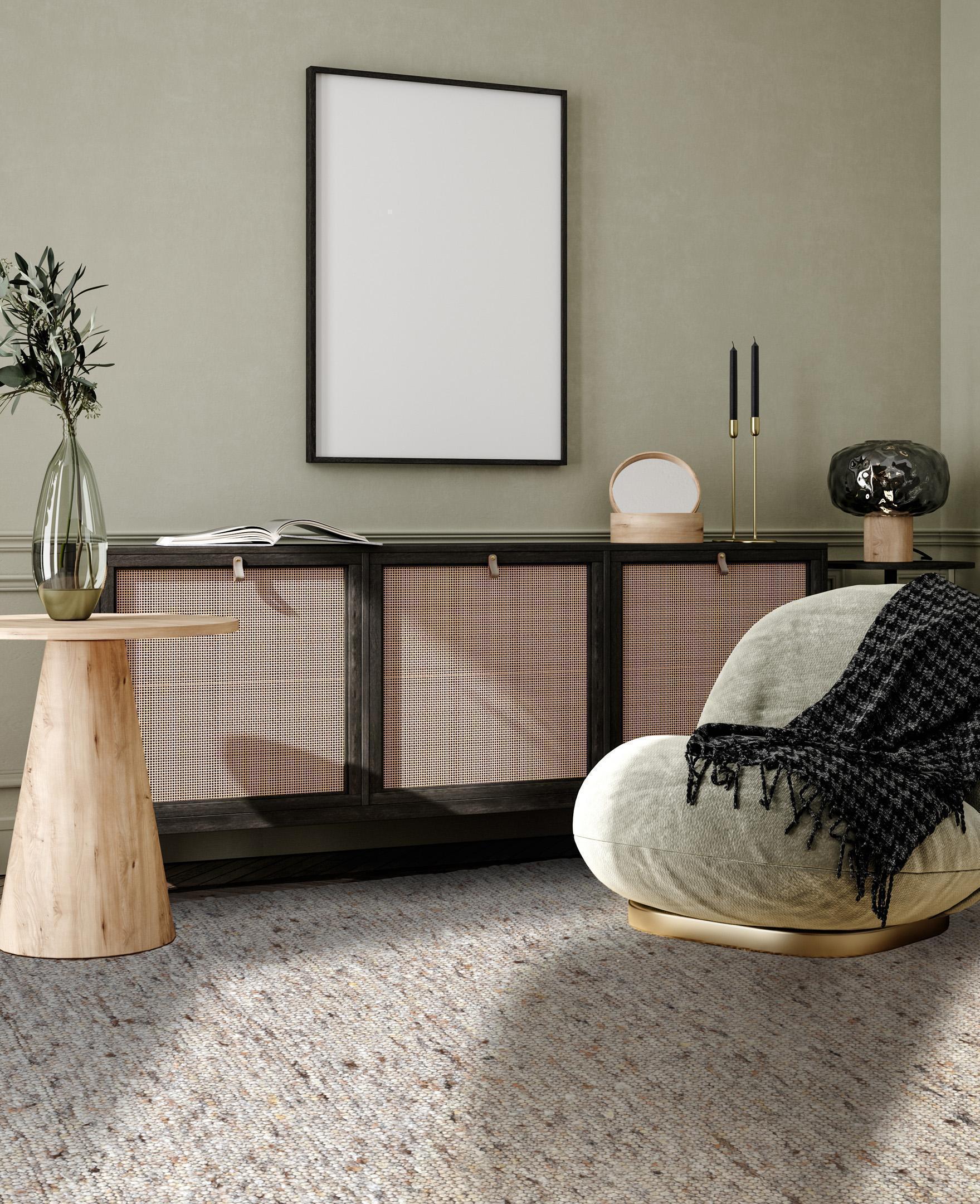
The strength of beige lies in its versatility. As a floor colour it connects furniture groups and lets other elements in the room take centre stage. A grey rug or a brown rug can convey a similar sense of calm, but beige brings more brightness and warmth to the space.
- Wood and natural materials: Oak, walnut, rattan and linen complement beige with organic depth. Importantly, the rug should stand out from the floor: a tone too close to the floor colour causes the rug to disappear visually.
- White and light grey: A classic combination for tidy, bright rooms.
- Black: A clear contrast for modern, elegant interiors.
- Terracotta and sage green: Warm earth tones and natural greens give a beige rug character and warmth.
- Brass and gold: Metallic accents noticeably elevate the quality feel of a beige rug.
Texture brings beige to life: why surface matters
The concern that a beige rug might look dull dissolves entirely with the right choice of surface. A flecked wool rug in natural beige looks completely different in reality from a smooth, plain expanse. Light and shadow play within the texture and bring the colour to life.
- Flecking: Differently dyed fibres create a natural interplay of colour and disguise everyday marks.
- High-low structure: Relief effects created by pile zones of varying heights give even plain rugs visual depth.
- Flat weave: Clear weave patterns create interest without distracting from the colour.
- Subtle patterns: Geometric or organic designs underline the elegance of beige without disturbing the room's sense of calm.
The right size: living room, dining room, bedroom
A rug that is chosen too small is one of the most common interior decorating mistakes. Size should always be chosen according to the furniture group, not the amount of free floor space.
- Living room: The front legs of the sofa should rest on the rug. This visually connects the furniture group. A size of at least 200 x 300 cm is recommended for a standard sofa arrangement.
- Dining room: All chair legs must remain fully on the rug even when the chairs are pulled out. Plan generously.
- Bedroom: The rug should remain visible at the sides of the bed and at the foot end. 160 x 230 cm suits smaller bedrooms; 200 x 300 cm suits larger ones.
- Round rugs: Ideal under round dining tables, as an accent in open-plan zones, or at the foot of the bed.
- 240 x 340 cm and larger: For generous living spaces and statement rooms.
When in doubt: choose one size up. A rug that anchors the room always looks better than one that gets lost in the middle of it.
