


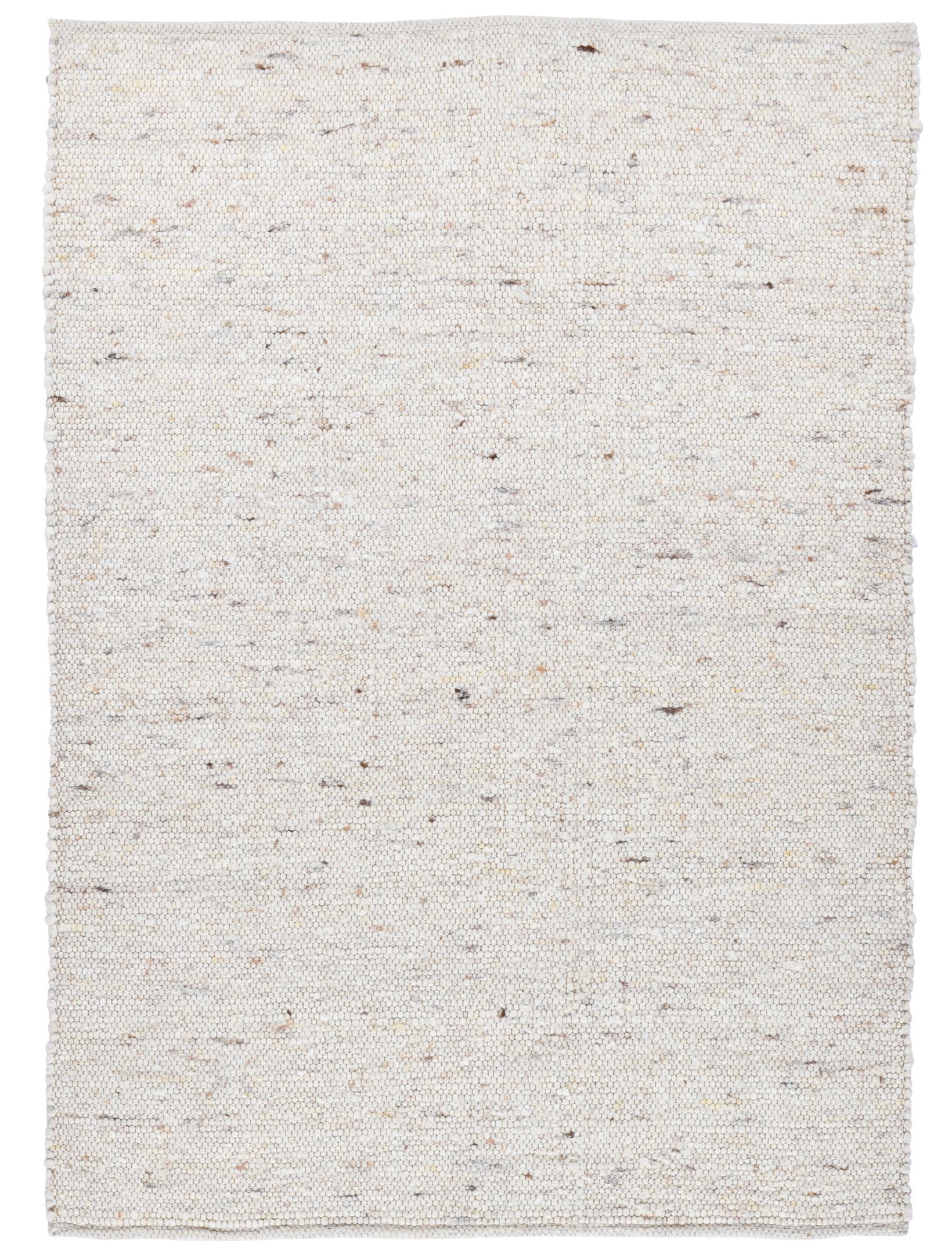


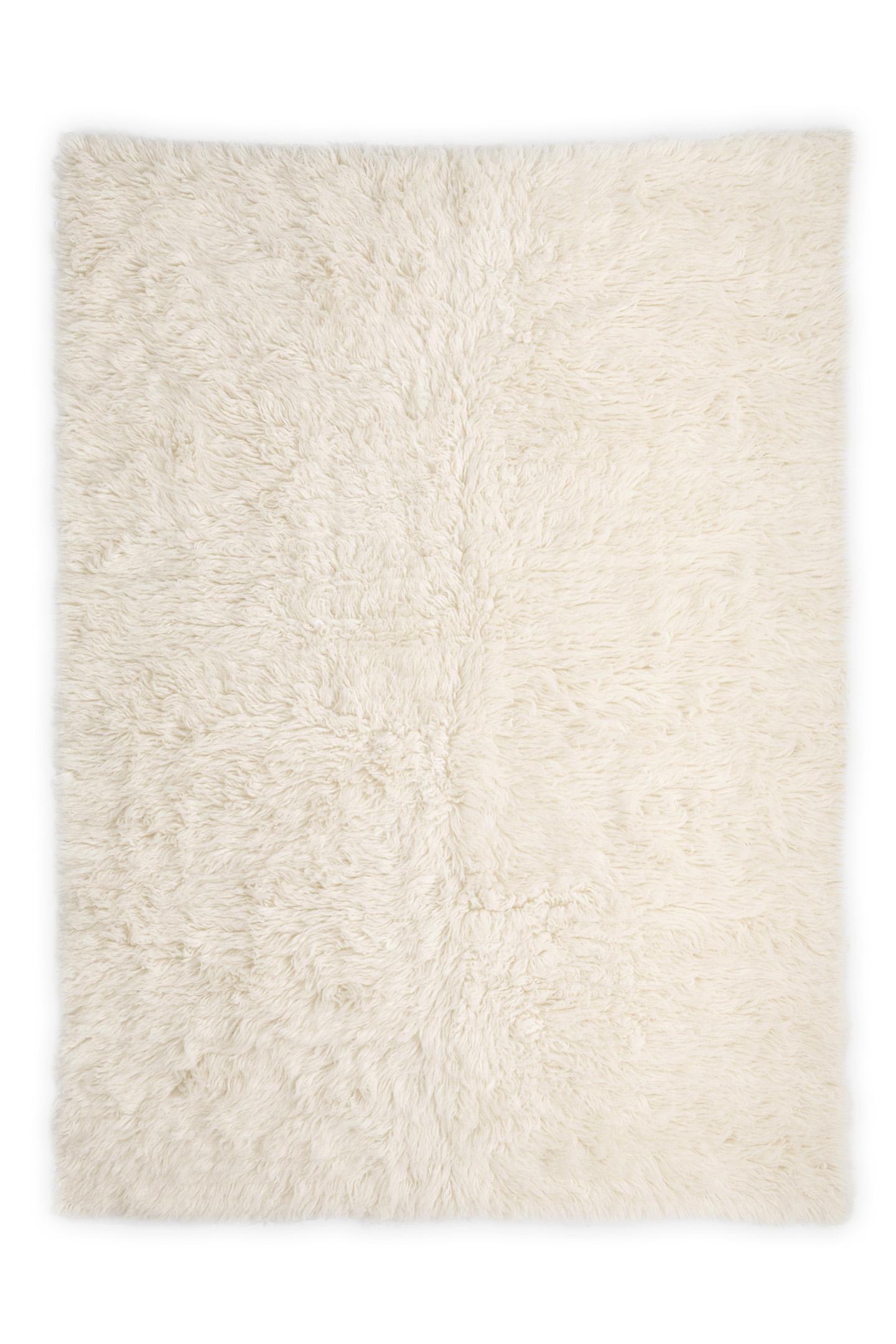


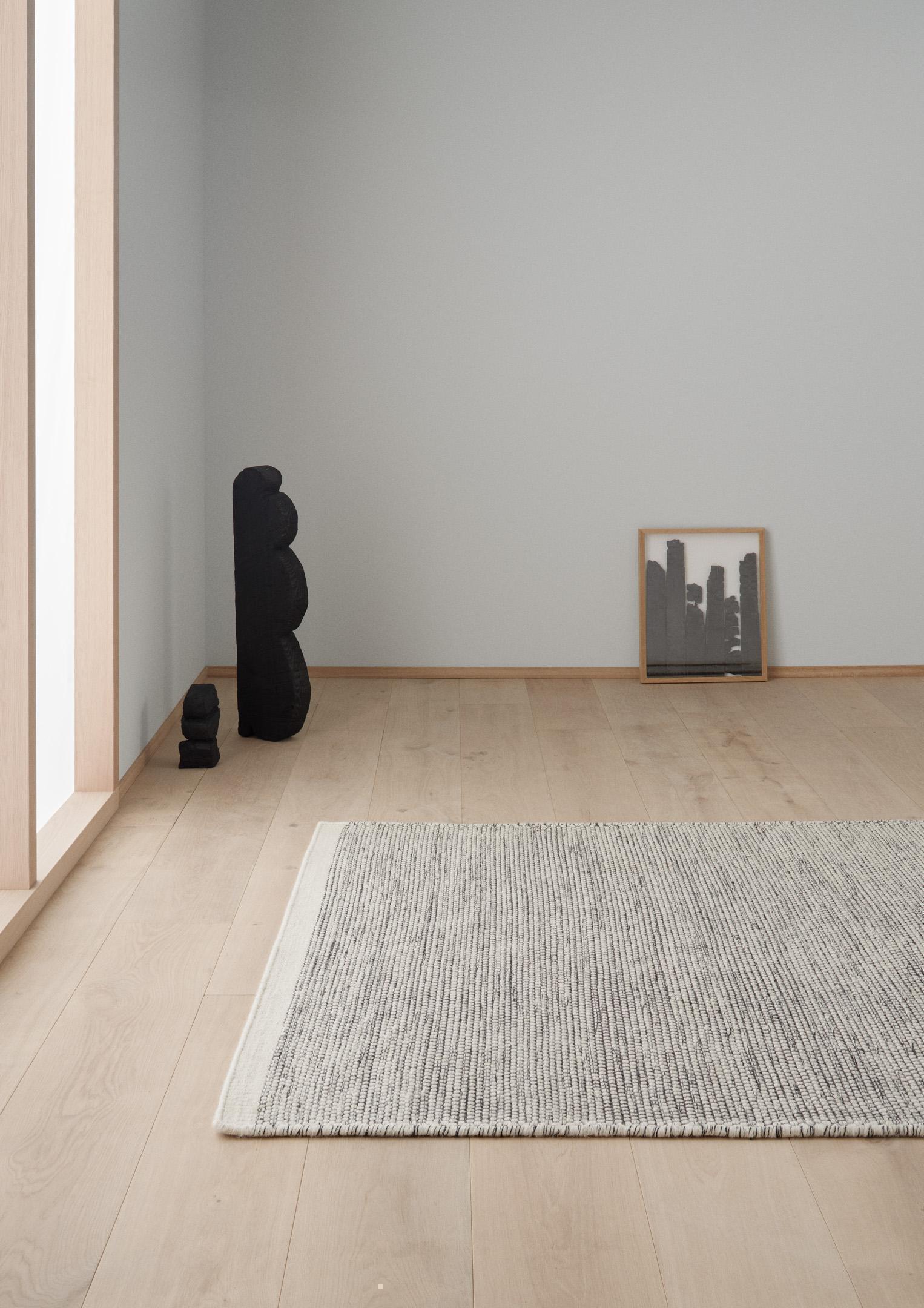


Natural Fibre Rug: robust, easy to care for and genuine in material
The question before buying is almost always the same: does a natural fibre rug stand up to everyday life, or is it sensitive to stains and quick to deteriorate? The answer depends on the fibre, and most concerns resolve themselves once you know how the individual materials behave.
Sisal is robust, hard-wearing and resistant to dirt. The fibre comes from the leaves of the sisal agave and is tensile enough for heavily trafficked areas. Wool brings warmth and is naturally dirt-repellent, because the lanolin content of sheep's wool surrounds the fibre like a protective layer and prevents dirt from penetrating. Jute scores with a softer feel but is more sensitive to moisture. Cotton is lightweight, soft and in some cases even machine washable. A natural fibre rug is therefore suitable for everyday use; you simply choose the fibre to match the intended use.
The advantage over synthetic materials: genuine, renewable materials instead of plastic underfoot. Natural fibres are hygroscopic; they absorb moisture in humid room conditions and release it again when the air is dry. This creates a pleasant indoor climate. Add to that good impact sound insulation values and antistatic behaviour.
Scratchy or pleasant barefoot? The feel of the fibres in plain terms
This is where the fibres differ significantly, and it is good to know before you decide.
Sisal has a hard and rough to scratchy feel. That makes it strong for hallways and work areas, though in a barefoot room it feels less inviting. Jute feels softer underfoot than sisal due to its thicker weave. Wool is the classic choice for a soft, warm feel and is therefore the first choice when you walk barefoot across the rug. Cotton is likewise soft and lightweight.
For large rooms there is a practical trick: lay a large, flat jute rug as a base and place a smaller, softer rug on top. This combines the robust natural look with a soft surface exactly where you need it.
Sensitive to stains? Caring for your rug is this straightforward
The most important rule for all plant fibres is: never saturate with water. Sisal, jute, linen and coir change their shape and colour when wet; wave formation and water marks can occur. Dry care is therefore the standard. Regular vacuuming is sufficient for everyday maintenance; with sisal, use a vacuum cleaner without a brush or beater attachment so that the fibres are treated gently.
With stains, technique matters. Two specific cases:
- Red wine glass knocked over: blot from the outside inwards with a clean, absorbent cloth, use a pH-neutral product and moisten the rug only slightly. Never rub, otherwise the stain will be drawn deeper into the fibres and spread.
- Candle wax on the wool rug: let the wax cool first, then place a sheet of blotting paper over it and iron over it with the iron on the lowest setting. The wax is drawn into the paper.
Coarse soiling can often be removed from sisal's structured surface using a cork by pressing and rubbing. Test cleaning products on an inconspicuous area for colour fastness beforehand. For a thorough deep clean, go to a specialist, because natural fibres must not be saturated with water. A slight new smell from a fresh rug dissipates on its own with regular airing.
Buying a chemical-free rug: what matters for a healthy home
Those who live consciously want to know what is in their rug. Sisal typically grows without pesticides and without fertiliser, because the robust plant is rarely attacked by pests and requires no chemical protection. The fibre is therefore considered low in harmful substances. If you want to bring a chemical-free rug into your home, natural rugs made from such fibres are a good starting point.
There is also the effect on air quality: textile floor coverings help to reduce the concentration of fine particulate matter in indoor air. And because natural fibres regulate moisture, they contribute to a balanced indoor climate. At the end of their life, fibres such as jute are biodegradable, so a sustainable rug can be disposed of more responsibly than a purely synthetic product.
Choosing a natural fibre rug by room: the right size per space
The right fibre is half the battle; the right size is the other half. Here are the rules of thumb per room.
Living room
Common standard sizes are 140 x 200 cm or 160 x 230 cm. The rug should be at least as wide as the sofa, ideally around 20 cm wider. If you place it under the sofa, it should be approximately 40 to 60 cm longer than the sofa; otherwise the seating area feels cramped. At a minimum, the front legs should rest 10 to 20 cm on the rug.
Dining room
Here a pushed-back chair still needs space. Allow at least 75 cm from the edge of the table to the edge of the rug. An easy-care cotton rug works well; in the dining area a protective mat is worthwhile so that crumbs and moisture do not put strain on the fibre.
Bedroom
For a soft bedroom rug, wool is the obvious choice. If the entire bed is to stand on the rug, it should extend around 40 to 50 cm on each side so that you step onto something soft in the morning.
Hallway
In the hallway, a robust sisal runner proves its worth. Common sizes are 70 x 200 cm, 80 x 250 cm or 80 x 300 cm.
Home office
A sustainable sisal rug is hard-wearing in a study; under the office chair area, place a protective mat beneath it so that the castors do not wear down the fibre.
Natural fibre rug for allergy sufferers: what you should know
Natural fibres accumulate less static charge, and textile floor coverings can reduce the concentration of fine particulate matter in indoor air, which appeals to many allergy sufferers. Sisal is generally considered low in allergens and harmless for most people. With jute there are occasional indications that the natural plant oils it contains can cause a reaction in sensitive individuals, though this cannot be generalised to everyone. If you want to be on the safe side, sisal is the more reliable fibre. A blanket statement that every natural fibre rug is allergy-friendly would be incorrect; the choice of fibre makes the difference.
How long does a natural rug last in everyday use?
Longevity depends on fibre, construction and care. A high-quality, well-maintained sisal rug typically lasts between 5 and 10 years before signs of wear appear. Sisal and coir floor coverings retain their structure over a long period with regular cleaning and occasional rotation. A wool rug is particularly long-lasting; high-quality hand-knotted pieces made from pure new wool can remain in good condition for decades. In short: those who keep it dry, vacuum regularly and rotate the rug occasionally will enjoy it for a long time.
