


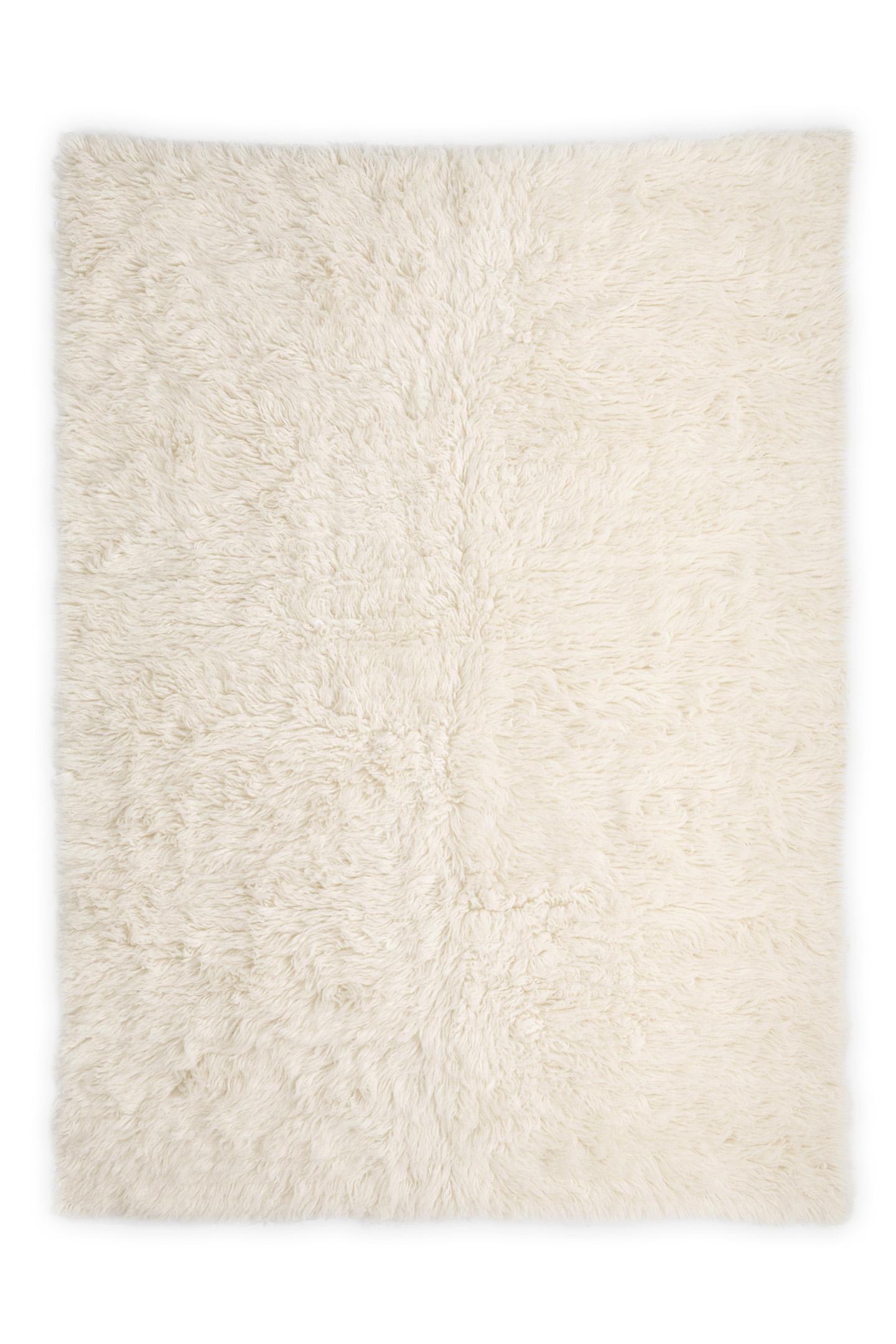


Berber Rug: Warmth, Character and Substance for Your Room
A Berber rug transforms a room instantly. It brings warmth, dampens sound and makes the surface beneath your feet soft and inviting. The high wool pile feels warm and ensures that the whole room feels calmer and more comfortable.
The appeal lies in the substance. A genuine Berber rug is craftsmanship from the Moroccan Atlas Mountains, thickly knotted from sheep's wool, with subtle diamond patterns and a surface that becomes softer over the years. It is a characterful one-of-a-kind piece with history, not an arbitrary lookalike. That is exactly what you feel when you stand on it.
The wool brings real advantages. It contains lanolin, which makes the rug resilient underfoot, dirt-resistant and long-lasting. Wool absorbs moisture and releases it again, which has a positive effect on the indoor climate. A Berber rug is therefore more than aesthetics: it is warm, robust and made to last for many years.
Berber Rug by Room: Living Room, Bedroom and Hallway
The right size determines whether a Berber rug anchors a room or looks lost in it. Here are the rules of thumb for the three most important rooms.
Living Room
In the living room, the rug should bring the seating group together. In a large living room, place the sofa with its front legs on the rug, and the zone comes together as a unit, making the room look ordered. A small mistake with a big impact: a living room rug that is too small, floating in front of the sofa like a postage stamp. Better to go a size up so there is enough surface at the front.
Bedroom
In the bedroom, you step onto warm wool in the morning instead of a cold floor. A generous bedroom rug extends under the bed and protrudes on three sides, giving you a soft border all around. Alternatively, place two narrower pieces to the left and right of the bed.
Hallway
In the hallway, a Berber works as a runner. It dampens footfall noise in the entrance area and defines the space right from the moment you walk in. Measure the width so that the floor remains visible on both sides, and leave enough clearance at the door so it can swing open freely.
Combining a Berber Rug with Modern or Classic Interiors
A Berber rug suits both worlds. In a modern interior it becomes a warm counterpoint: alongside minimalist Scandi rugs and plain furniture, its thick wool pile adds depth and cosiness to clean lines. The restrained diamond pattern stays in the background and does not disturb the calm overall look.
It works equally well in a classic setting. Next to dark wood, leather and muted colours, the natural white wool creates a fresh and open feel. In an open-plan living area, a Berber can serve as a homely complement alongside a Persian rug: one brings the pattern, the other the understated warmth. The important thing is that both share a common colour, and the combination will work.
Those who prefer a more pared-back look can stay with classic rugs in natural tones. The Berber is flexible enough to complement any change of furniture over the years.
How Long a Berber Rug Lasts: 20 Years and More
A high-quality, well-cared-for Berber rug lasts 20 years or longer, sometimes several decades. That is why the investment pays off: you buy once and enjoy it for a long time.
The durability comes from the material. Wool with a high fat content is considered particularly long-lasting and can be thoroughly cleaned. The high lanolin content makes the fibre hard-wearing and sound-dampening. Two things that may surprise you at first are completely normal: a genuine Berber sheds slightly in the first few weeks, because the surface is sheared a second time. And the surface becomes softer and silkier over time. This is a sign of craftsmanship and natural ageing, not wear.
Origin and Craftsmanship: Why Morocco Makes the Difference
The central question when buying is: is this truly authentic and high quality? The genuine Berber comes from Morocco, Algeria or Tunisia and is made from thick wool. The traditional wool comes from sheep in the high altitudes of the Moroccan Atlas Mountains. Production now also takes place in Turkey, India and Pakistan, and many pieces in the style segment are made by machine from synthetic fibres such as nylon or olefin.
A high-quality hand-knotted Berber rug has a cotton warp and a pile layer of new wool. The knotting is described as simple, double or triple, depending on how many times the thread is laid. The knotting density is calculated from the number of knots per 10 cm; the 15/15 knotting is the most common, the finer 25/25 is rare. It is important to know that knotting density and weight alone say little about value. What counts is the overall picture of material, workmanship and origin.
A special type is the Beni Ourain rug, named after the Berber tribe of the same name in the Middle to High Atlas. It is usually natural white, high-pile and features dark diamond patterns. This calm, light aesthetic is the classic among Moroccan rugs and the reason why a Beni Ourain suits almost any interior.
Common Mistakes When Buying a Berber Rug
A few points cost you the most when buying if you overlook them.
- Choosing too small a size. In the living room and bedroom, plan generously, otherwise the rug will look lost.
- Not checking the material. Look for genuine new wool rather than synthetics if you want substance and longevity. Moroccan wool has shorter fibres compared to European wool, but brings the typical character with it.
- Focusing solely on knotting density. Numbers alone say little. Assess material, feel and workmanship together.
- Treating initial shedding as a defect. This is perfectly normal with genuine Berber rugs due to the production process and will settle.
- Buying a light pile without a plan for stains. Light wool fibres are susceptible to coloured liquids. Those who frequently have red wine and coffee in the living room should factor this in.
Cleaning a Berber Rug and Avoiding Stains
Care is straightforward. In the first 6 to 8 weeks, gentle sweeping or light vacuuming is sufficient. You should never use a beater attachment, as it damages the fibres and weave.
With a red wine or coffee stain on a light pile, speed is everything. Absorb the liquid immediately with a clean cloth by dabbing rather than rubbing, so the stain is not pressed deeper into the fibre. Then treat with clear, cold water and dab dry again. Because wool binds dust within its scaly fibre surface rather than releasing it into the air, a Berber remains pleasantly clean and odour-neutral in everyday use.
For allergy sufferers, wool is generally favourable because lanolin repels house dust mites. Those who are particularly sensitive tend towards a short, dense pile, as long fibres give dust more purchase and make cleaning more difficult. For everyone else, the full, cosy Berber pile is precisely what makes a room feel warm.
