
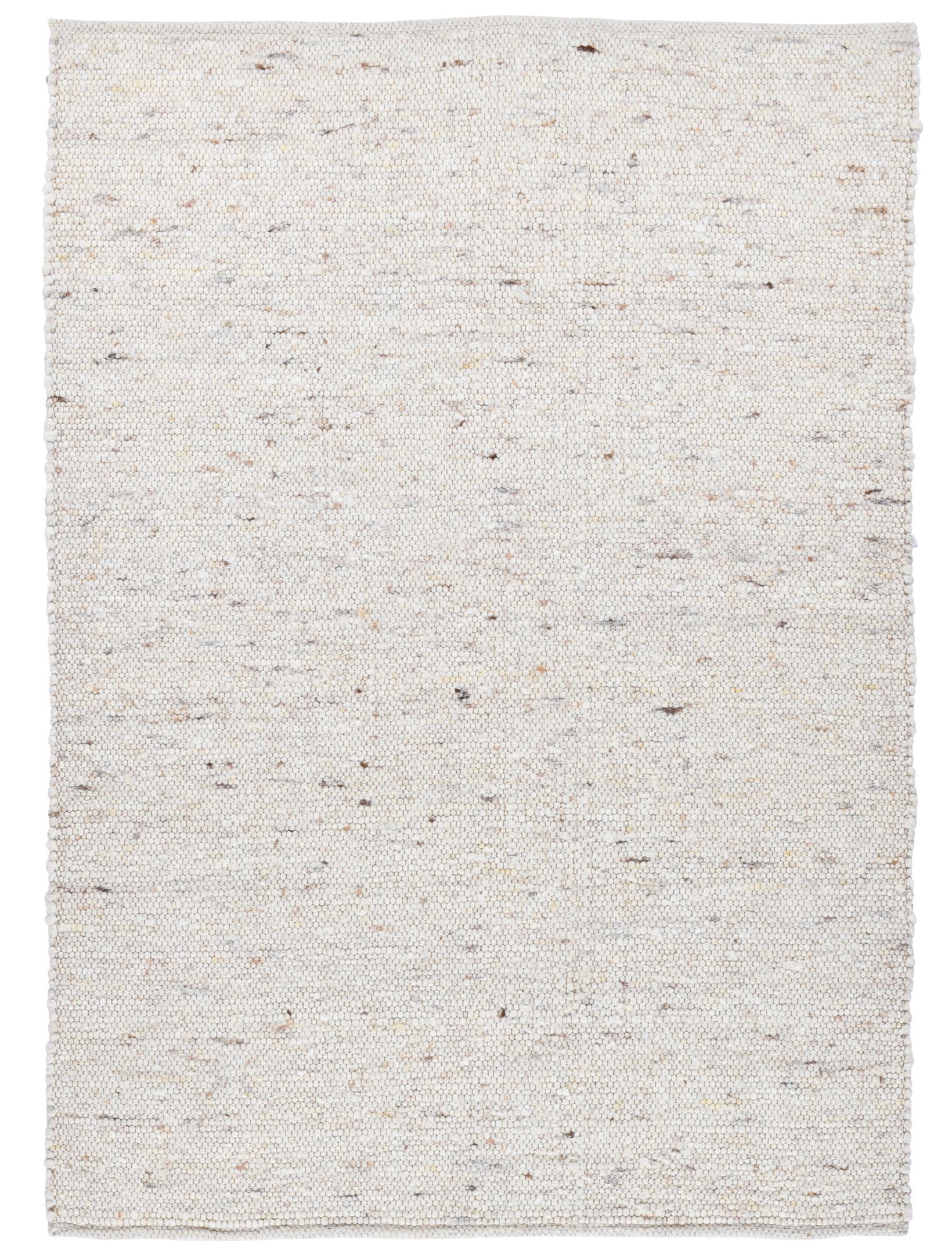
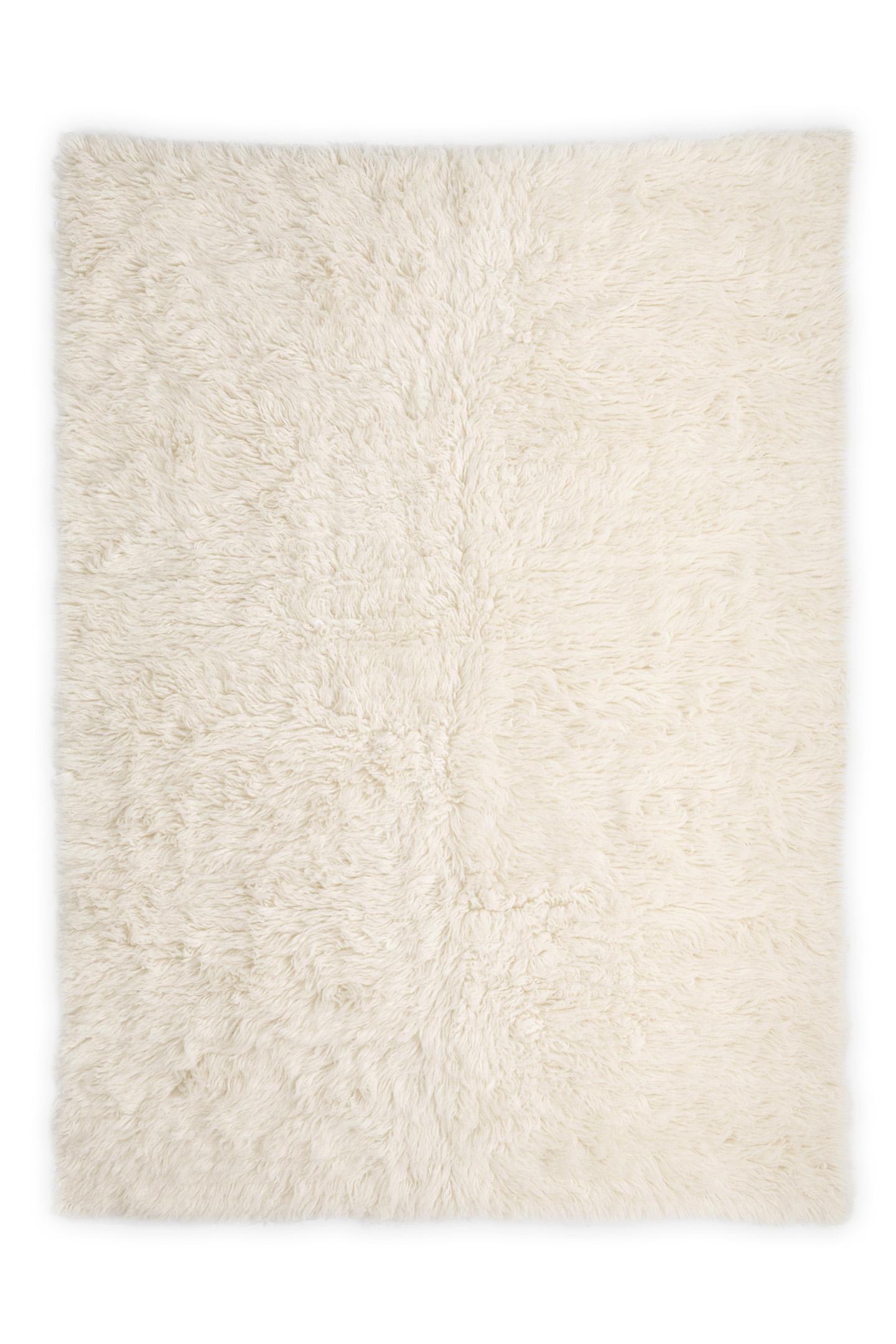


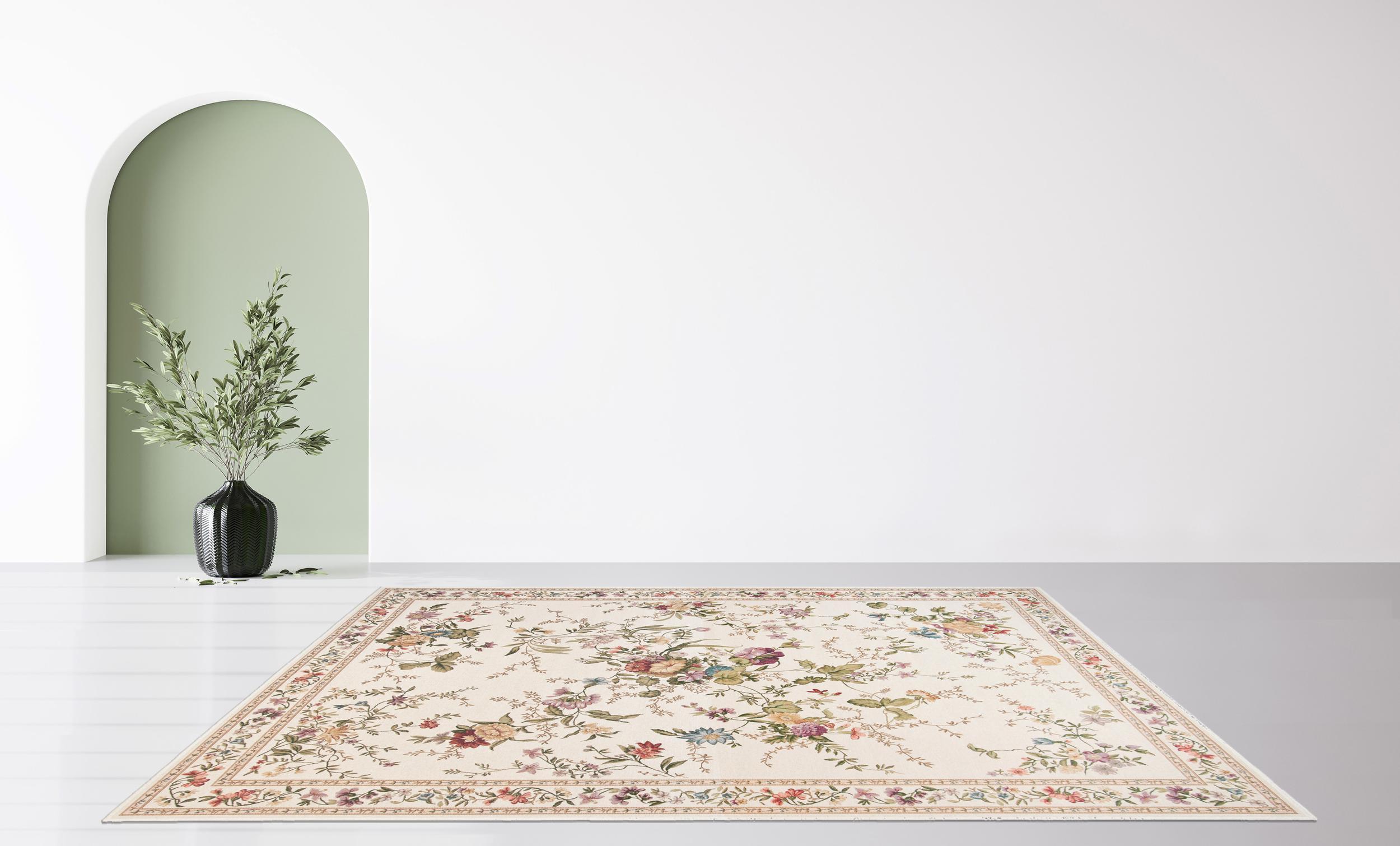


Rug 60x90: the right size for targeted zones
A rug 60x90 does not cover a large area, and that is the point. This size comes into its own precisely where you need it: in front of the bed, in front of the washbasin, in front of the armchair, or right at the entrance. A small rug defines a zone, brings warmth underfoot, and protects the floor at the spot with the greatest wear.
The most common question about this format: is 60x90 cm too small to make any real impression? The answer depends on where it is used. As a central living room rug under a sofa and coffee table, the area is insufficient. As a deliberately placed comfort or protection zone, however, this compact size is exactly the right choice. The trick is to position the rug where a small area has a clear purpose.
In front of the bed, in front of the armchair, in the bathroom: where the small rug belongs
Think through your home room by room. In several spots there is no large piece of furniture on the floor, yet you still want a soft, warm surface underfoot. These are the places for 60x90 cm.
In front of the bed
In the morning, your feet land on a soft surface instead of cold floor. Laid crosswise at the foot of the bed, a small rug creates comfort without the need to underlay the entire bed. For a narrow bed or one pushed halfway against the wall, 60x90 cm on one side is perfectly sufficient.
In front of the armchair
In front of the reading armchair, a rug defines the seating corner and turns it into its own zone. A round rug is a good alternative here if you want the corner to feel softer and more enclosed. It frames the armchair and visually separates the reading nook from the rest of the room.
In front of the washbasin or shower
In the bathroom, moisture resistance matters. In front of the washbasin or shower, 60x90 cm is a practical size. Choose a moisture-resistant material here: a small rug in front of the washbasin made from polypropylene absorbs dampness without complaint and dries quickly again. Wool does not belong in the bathroom because of the persistent moisture.
In the small kitchen
In front of the sink, a rug in this format brings structure and a soft surface to stand on at the spot where you spend the longest time. Here too, easy-care and moisture-resistant qualities count.
Entrance rug and hallway: the zone with the greatest wear
The entrance rug has the hardest job in the home. Everyone walks over it in shoes, and dirt and moisture come in from outside. A hallway rug in 60x90 cm sits well directly in front of the door or as a narrow runner in a tight hallway.
For the heavily used entrance of a block of flats, a polyamide mat is a robust choice: polyamide is considered a particularly abrasion-resistant fibre and stands up to constant wear. Polypropylene is moisture-resistant and dirt-repellent, making it ideal for the zone just inside the door. Cotton remains resilient even against firm footwear and can usually be easily washed in small formats. For a dry, presentable entrance, wool is long-lasting and homely.
One point beforehand: measure the door height and the door opening before you order. The rug should allow the door to open and close freely. And compared with a plain doormat, a 60x90 cm hallway rug does more: it absorbs more dirt and moisture and works as a designed element rather than a mere scraper.
Washing and caring for a rug 60x90 cm: what the material allows
One advantage of small formats: they fit in the washing machine, provided the material permits it. A rug 60x90 cm made from cotton or PET can often be washed at low temperatures at home. Always check the care label on the underside first; it states what the material and washing temperature allow.
- Cotton and PET: small formats usually machine-washable at a low temperature, ideal for the bathroom and entrance.
- Polypropylene and other synthetics: easy to clean and dirt-repellent.
- Wool: regulates moisture and improves acoustics, but is sensitive to dampness. Not suitable for the bathroom.
- Jute, sisal, viscose, Tencel: visually attractive, but avoid moisture. Jute swells when wet and must not go in the washing machine.
For basic care, the same applies to every material: vacuum once a week, avoid rotating brushes on the vacuum cleaner as they damage the fibres. Blot fresh stains immediately with a clean, undyed cloth rather than rubbing. Avoid direct sunlight so the colours do not fade. A low pile is easier to keep clean than a high-pile weave. If you are unsure about the material or temperature, professional cleaning is the safe option.
How to position 60x90 cm correctly in a room
The effect depends on placement. A few concrete rules:
- In front of the bed: the rug should be at least as wide as the bed, preferably 20 to 30 cm wider. A strip of 60 cm for smaller beds up to 80 cm for larger beds all around the bed works best.
- Without furniture on top: if no piece of furniture stands on the rug, keep it away from the wall so the area lies open and the pattern can make its full impression.
- At the entrance: measure the door height and door opening beforehand so the door swings freely.
- Test before buying: mark the dimensions with masking tape on the floor. This gives you a realistic impression of how 60x90 cm looks in that spot.
And the slip question: on smooth floors such as tiles, laminate, or parquet, small formats tend to slide more readily than large ones, because less weight and less area hold them in place. A non-slip underlay solves this. It increases stability and safety, and the rug lies flatter, which means patterns and texture look better. Choose the anti-slip mat 1 to 2 cm smaller than the rug so it stays out of sight.
When 60x90 becomes too small: the next larger formats
There are spots where 60x90 cm reaches its limits. As soon as furniture legs are meant to stand on the surface, you need more size. For a sofa or bed arrangement where the front legs rest on the rug, moving up to a rug 120x170 cm is the logical next step. A good rule of thumb: if no furniture stands on the rug, at least 10 cm should overhang on each side, otherwise the composition looks cramped.
For cold tiled floors in the living room, a small rug is also insufficient; there you want a larger area. As a bedside rug, in the bathroom, in front of the armchair, or at the entrance, 60x90 cm remains exactly right. A cotton rug in this format is the easy-care all-rounder for the secondary zones of the home.
Just before you buy: the key points at a glance
- Location first: bed, armchair, bathroom, kitchen, or entrance. Everything else follows from that.
- Material by zone: moisture-resistant polypropylene for the bathroom, abrasion-resistant polyamide for the heavily used entrance, cotton as a washable all-rounder, wool for dry and presentable areas.
- Plan for non-slip protection: anti-slip underlay 1 to 2 cm smaller than the rug, especially on smooth floors.
- Measure first: check the door opening, mark dimensions with masking tape, maintain proper clearances.
- Think bigger when necessary: if furniture legs are to stand on the surface, plan with 120x170 cm instead.
