





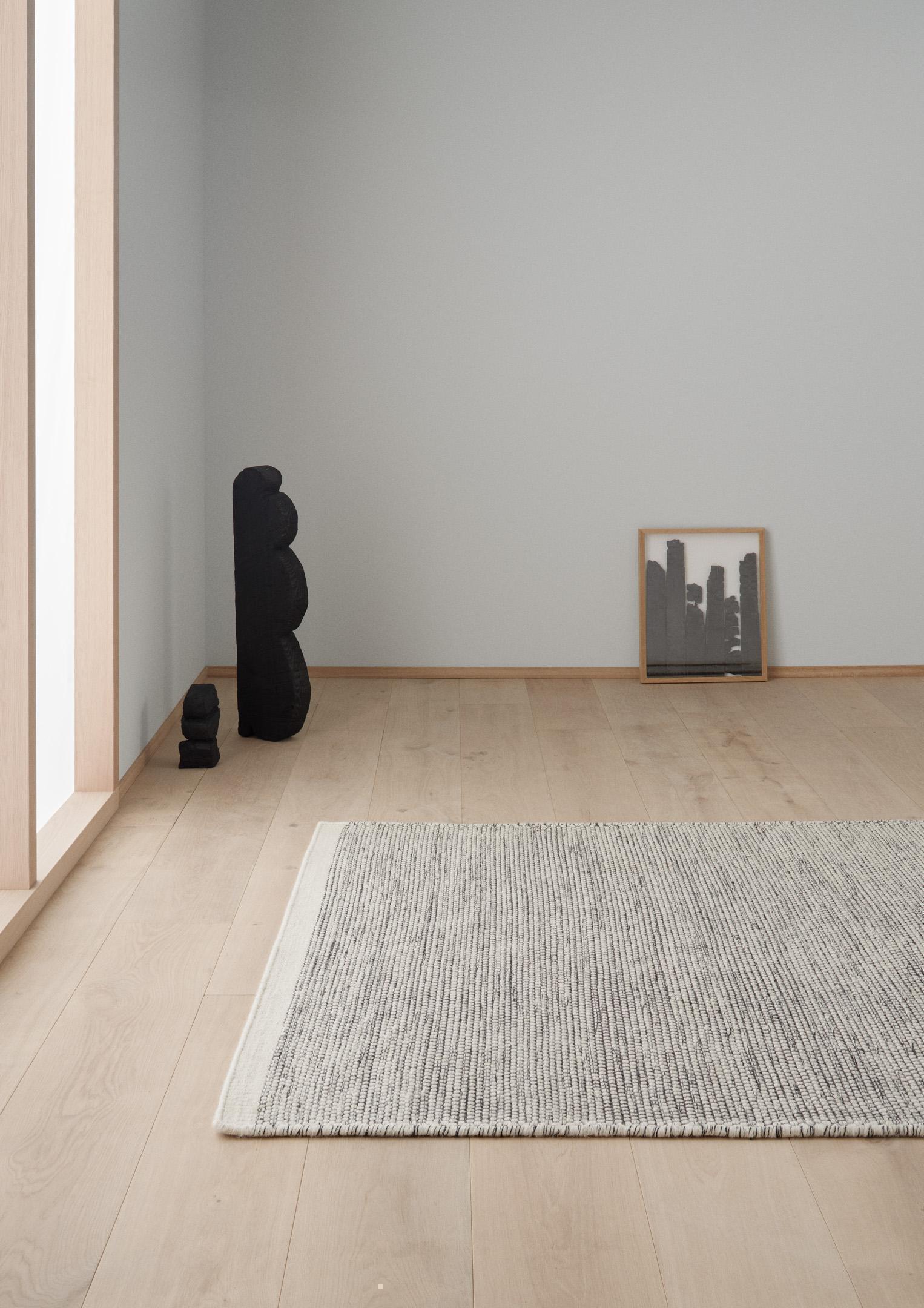


Scandi Rug: the fastest way to a clear Skandi look
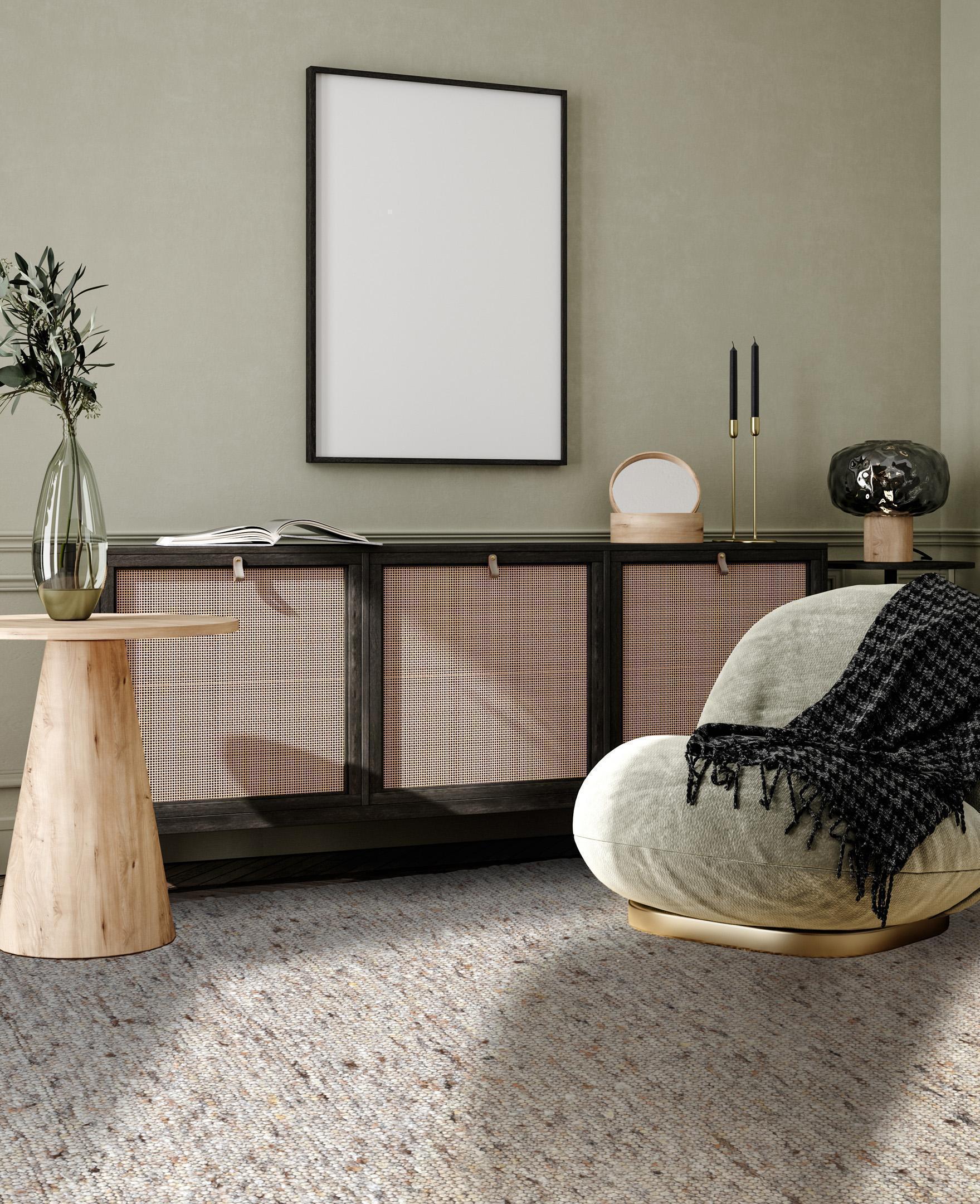
A Scandi rug instantly turns a light room into a finished look. You lay it down, and the room feels calmer, warmer, and tidier. No renovation, no repainting, no new furniture. A rug in the Scandinavian style brings exactly what defines the look: light tones, clean shapes, and natural materials.
The most common concern upfront: does such a understated, light rug end up looking cold and bland? No. Scandinavian living is known for simplicity and functionality, but combines minimalism with cosiness. The trick lies in the texture. A soft wool pile, a fine structure, or a subtle pattern give the room depth without becoming restless. This creates a clean, high-quality impression, while still feeling homely. That is the idea behind the Danish concept of Hygge: a sense of warmth and shelter rather than sterile reduction.
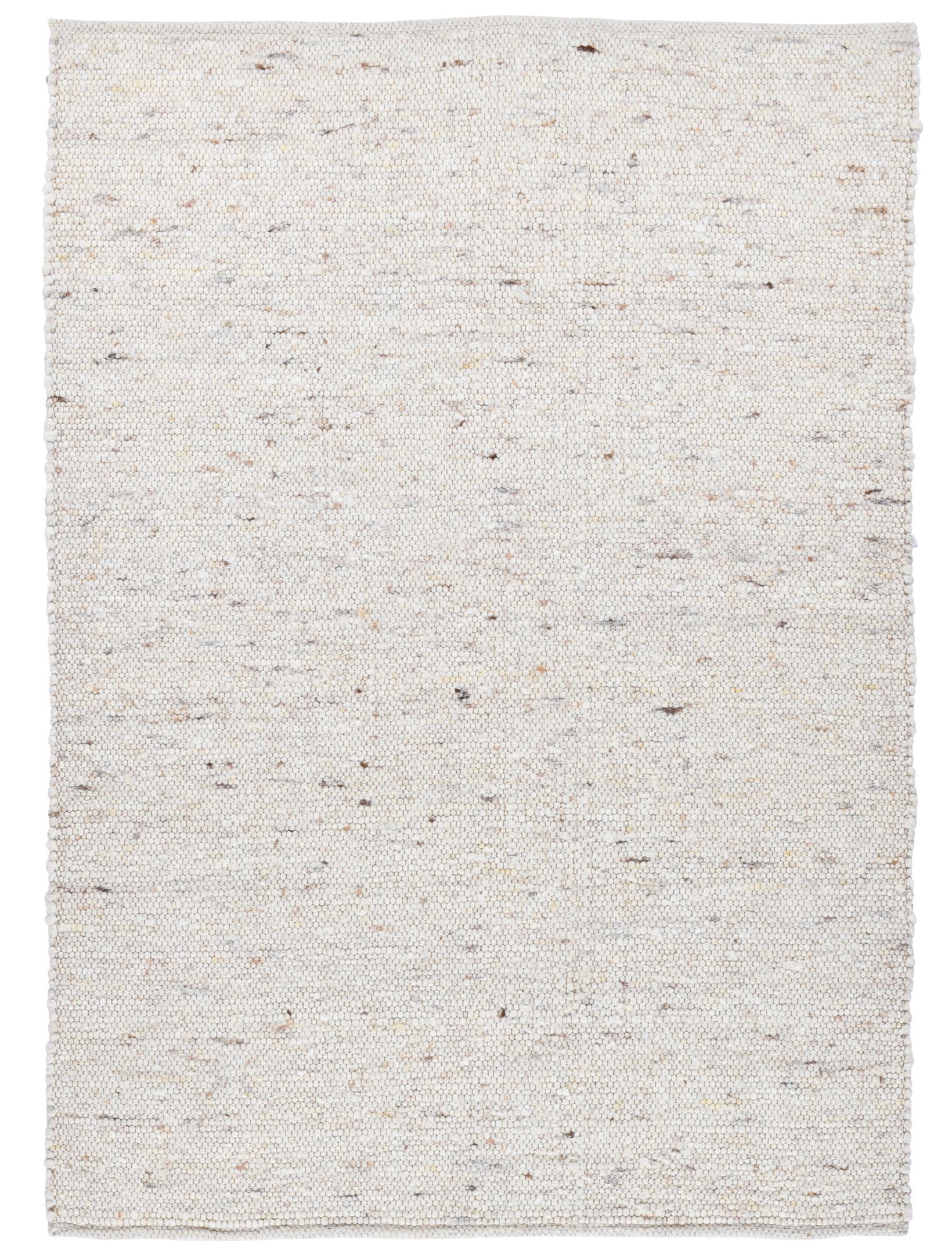
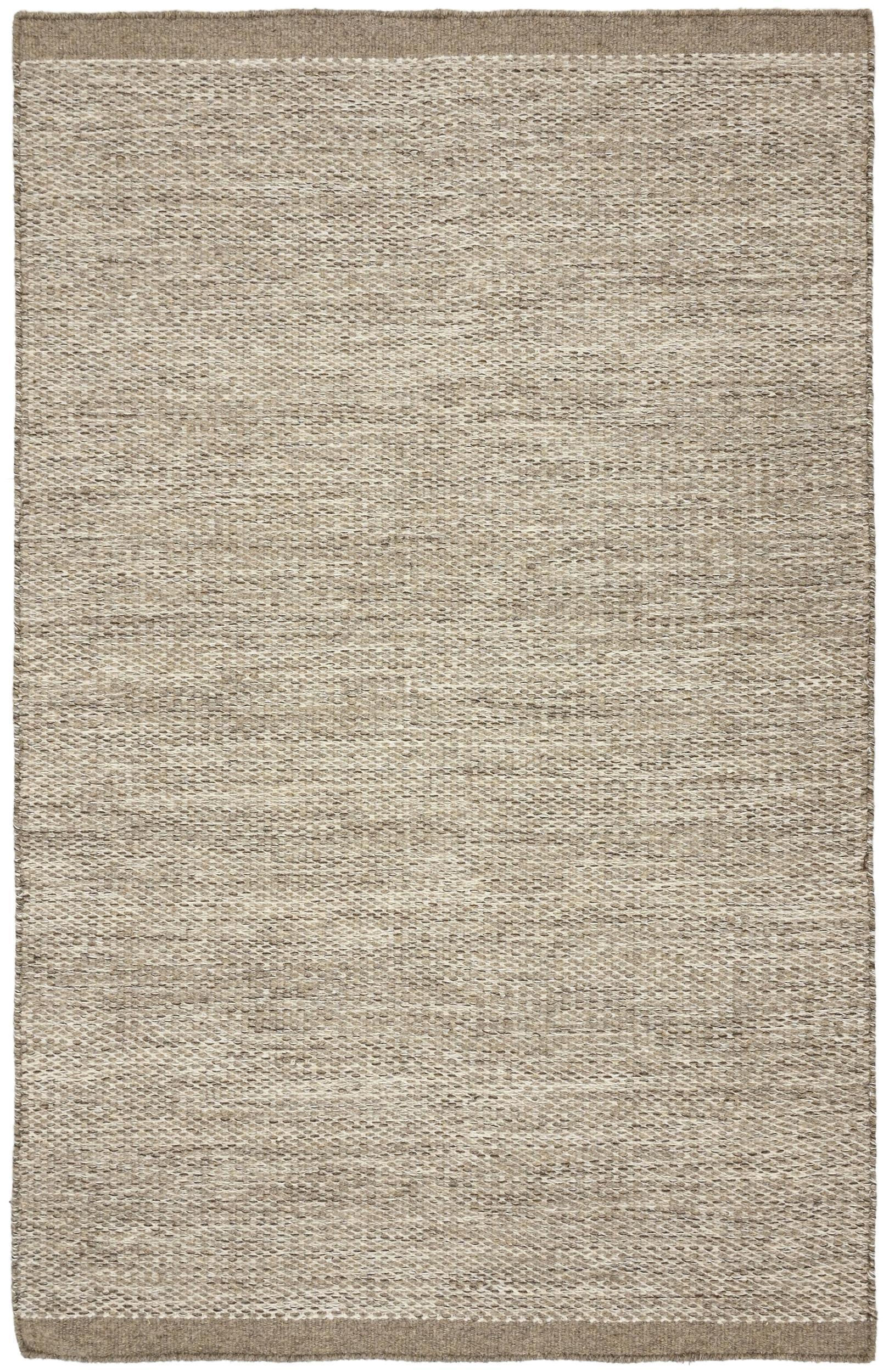
Typically Scandinavian is a restrained colour palette: white, grey, beige, cream, and soft pastel tones. Combined with simple patterns such as stripes, diamonds, or zigzag lines. Plain rugs look particularly calm and let the furniture take centre stage; a pattern adds a subtle accent when the rest of the room stays simple.
Material first: wool, cotton, and jute compared
With a Scandinavian rug, the material determines the feel, warmth, and care requirements. These three natural fibres cover the Skandi look:
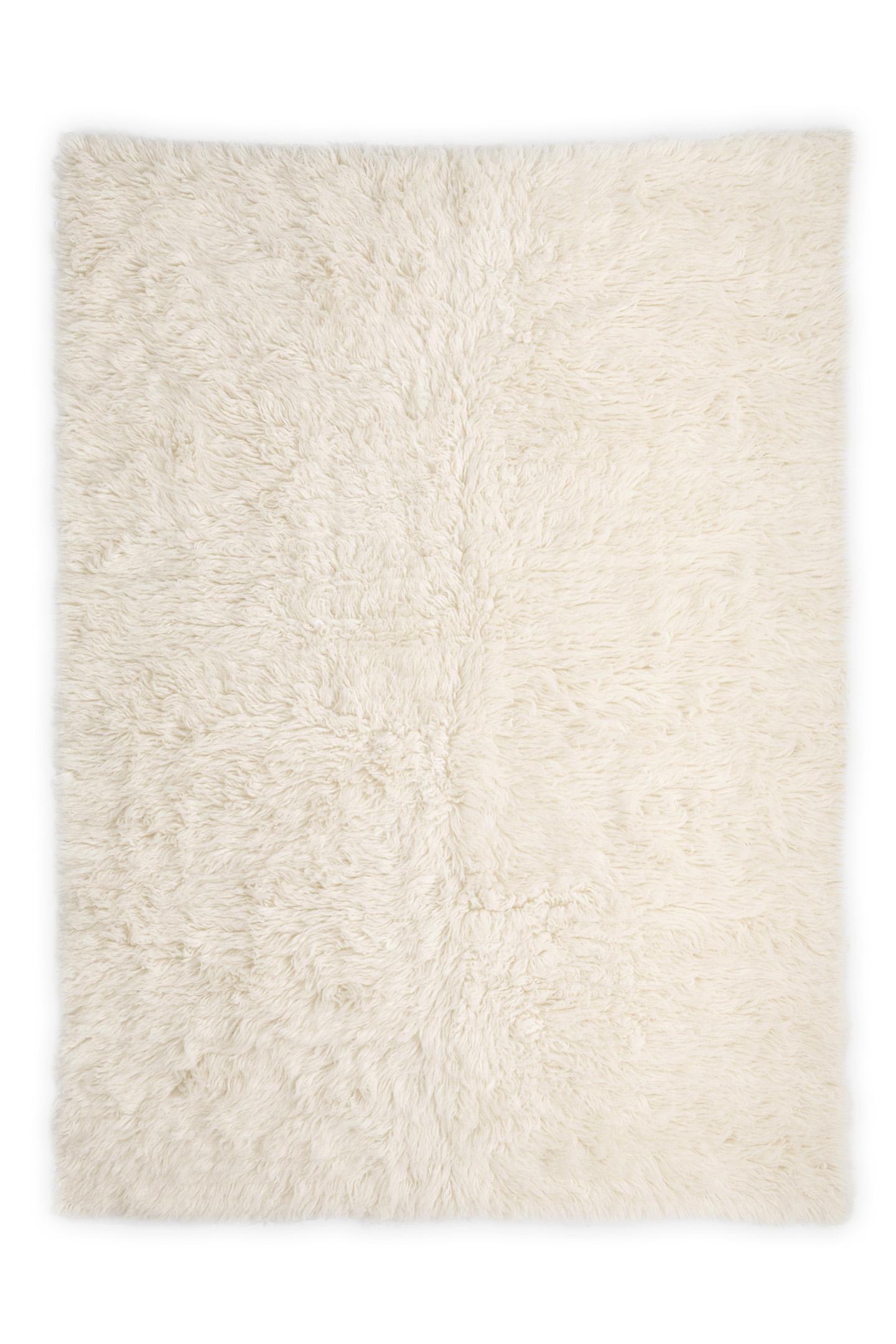
- Wool: warm, soft, and sound-absorbing. The natural lanolin makes the fibre resistant to dirt and water, and wool also absorbs moisture from the air and releases it again. Wool is non-flammable and the first choice when the rug should be fluffy and cosy. It is unsuitable for permanently damp rooms such as the bathroom, where the material will deteriorate.
- Cotton: easier to care for in everyday use and takes dye well. This means the colour palette ranges from subtle natural tones to vivid colours. A good choice for light, airy rugs with a pleasant feel.
- Jute: the natural texture fibre for the look. Jute feels softer and warmer than sisal and is therefore better suited to barefoot contact. Works well in bedrooms and quiet living areas with less foot traffic. For heavily used areas, sisal is more robust.
The fine texture of natural fibres is exactly what counters the objection of "cold and generic." A designer rug made from wool with a subtle structure looks understated and still feels warm.
Combining plain and light rugs correctly
Light rugs are the centrepiece of the Skandi look, but they also cause the most concern. The rule is simple: the more understated the rug, the calmer the room. A white rug or a model in cream feels generous and makes small rooms appear larger. Beige rugs are the compromise between light and practical, because dust and crumbs are less visible on them than on pure white.
For a calm overall impression, stick to one colour family and vary only the tones: cream to beige, light grey to white. Plain rugs give groups of furniture a clear frame. In an open-plan layout, the rug helps to visually define individual living zones and keep the furniture together as a group. A seating area, dining space, and work area each get their own zone without having to put up a wall.
If you want more character, choose a rug with a subtle geometric pattern and keep the rest of the décor simple. This keeps the room tidy while still adding visual interest.
The right size for every room
Living room
The rug should be at least as wide as the sofa, ideally around 20 cm wider, so that the seating furniture sits fully or partially on it. For a two-seater sofa approximately 160 cm wide, a rug measuring 160x230 cm works well and creates a generous seating area. For a three-seater, go for 200x290 cm or larger. If the rug sits under the sofa, it should extend approximately 10 to 20 cm beneath it. Common standard sizes are 160x230 cm, 200x290 cm, and 240x340 cm.
Dining room
What matters here is that all chair legs remain on the rug even when the chairs are pushed back. As a rule of thumb: 50 to 75 cm of overhang per side beyond the edge of the table. For a round dining table with four chairs, a round rug with a diameter of 200 to 250 cm works well.
Bedroom
With a centrally placed bed, at least 20 cm of rug should remain visible on each side. For a standard double bed, approximately 200x290 cm is suitable, with around two thirds of the area allowed to disappear under the bed.
Hallway
For narrow hallways, runner formats such as 70x200 cm, 80x250 cm, or 80x300 cm are ideal. A runner measuring 80x250 cm acts as a calm connection between rooms and keeps the passage tidy.
Scandi rug for families, pets, and allergy sufferers
A light rug and everyday life with children are entirely compatible; you simply need to choose wisely. A family with a toddler is better served by a hardwearing short pile in beige than by delicate white: stains and crumbs are less noticeable, and a short pile is easier to vacuum.
For allergy sufferers, wool is an interesting option. It contains lanolin, which repels dust mites, making them harder to multiply in wool fibres. Short-pile rugs with a low pile also trap less dust and allergens than high-pile versions. An allergy-conscious household therefore does well with wool and a low pile to reduce dust levels. Sisal is also considered hypoallergenic and attracts fewer allergens than synthetic fibres. Natural fibres such as wool, jute, and cotton are also anti-static.
Caring for a Scandinavian-style rug and keeping it beautiful for longer
Natural fibres are easy to care for, but dislike rough treatment. Vacuum wool rugs regularly and avoid hard rotating brushes or very high suction power, as this protects the fibres. New wool rugs shed initially; this is a sign of quality and settles on its own over time.
With stains, speed matters: absorb liquid immediately with absorbent kitchen paper and dab carefully rather than rubbing. Avoid chemical cleaning agents and bleach on wool, as these damage the fibres. Sisal is sensitive to moisture, so stains should also be dabbed immediately. For large areas, professional rug cleaning is recommended. Direct sunlight should be avoided, as UV light causes colours to fade. With light tones, dirt becomes visible more quickly, so mindful use keeps the rug fresh for longer.
Scandinavian rugs work well with underfloor heating. Wool conducts heat well and is resilient, and a flatwoven jute rug allows heat to pass through. As a rule of thumb: low pile on underfloor heating allows the warmth to come through.
Five common buying mistakes and how to avoid them
- Buying too small. A rug that is too small makes the furniture look lost. Measure your sofa and factor in the overhang before you order.
- Pure white in a family home. With children or pets, cream or beige rugs and a short pile are the smarter choice.
- Wrong material for the room. Wool does not belong in a permanently damp bathroom; jute does not belong in heavily trafficked areas. Consider the room first, then the material.
- Too many patterns at once. When the rug, cushions, and curtains are all patterned, the result feels restless. Choose one accent and keep the rest simple.
- Underestimating care. Natural fibres need gentle vacuuming and prompt stain treatment. Factor this in and you will enjoy the rug for a long time.
