


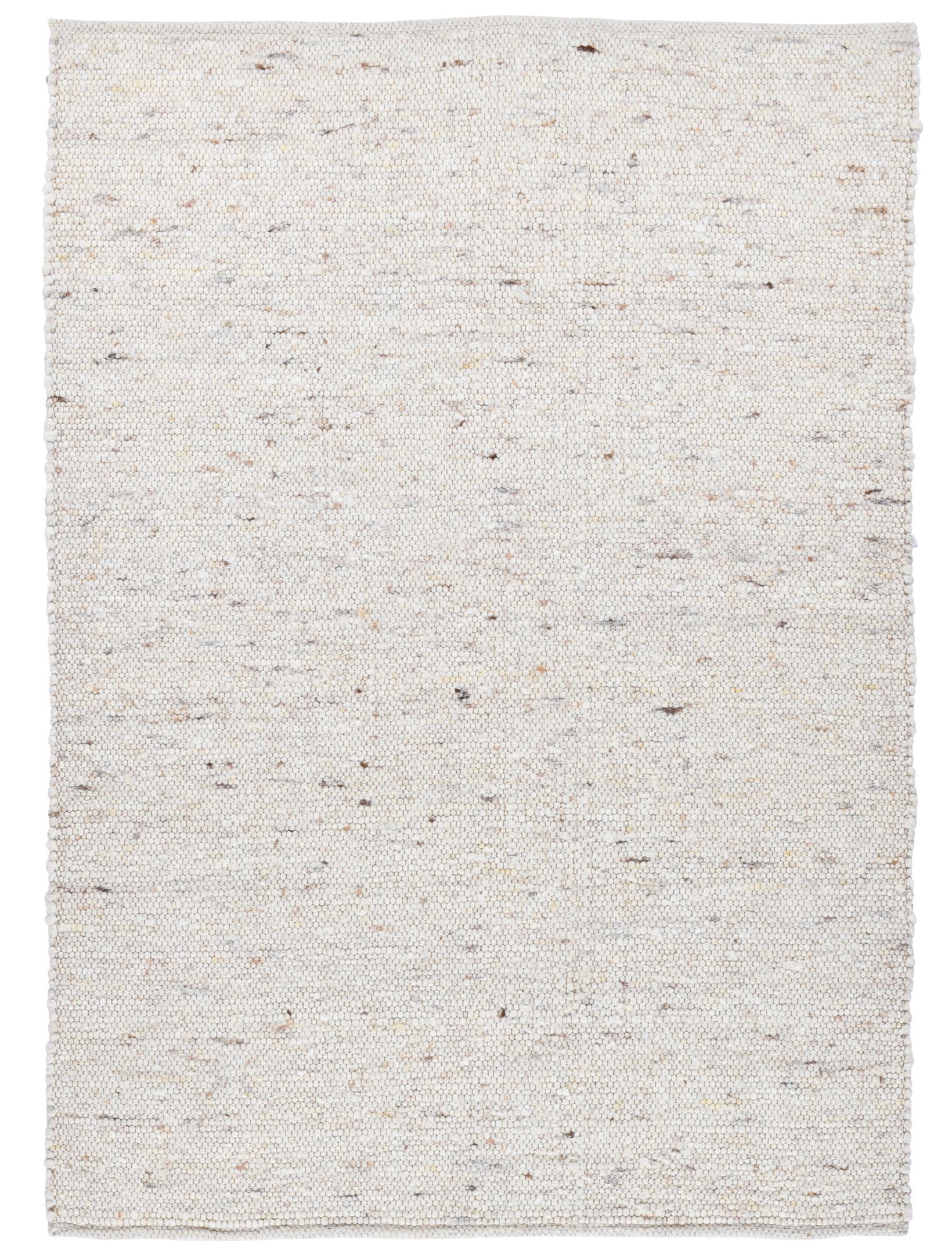


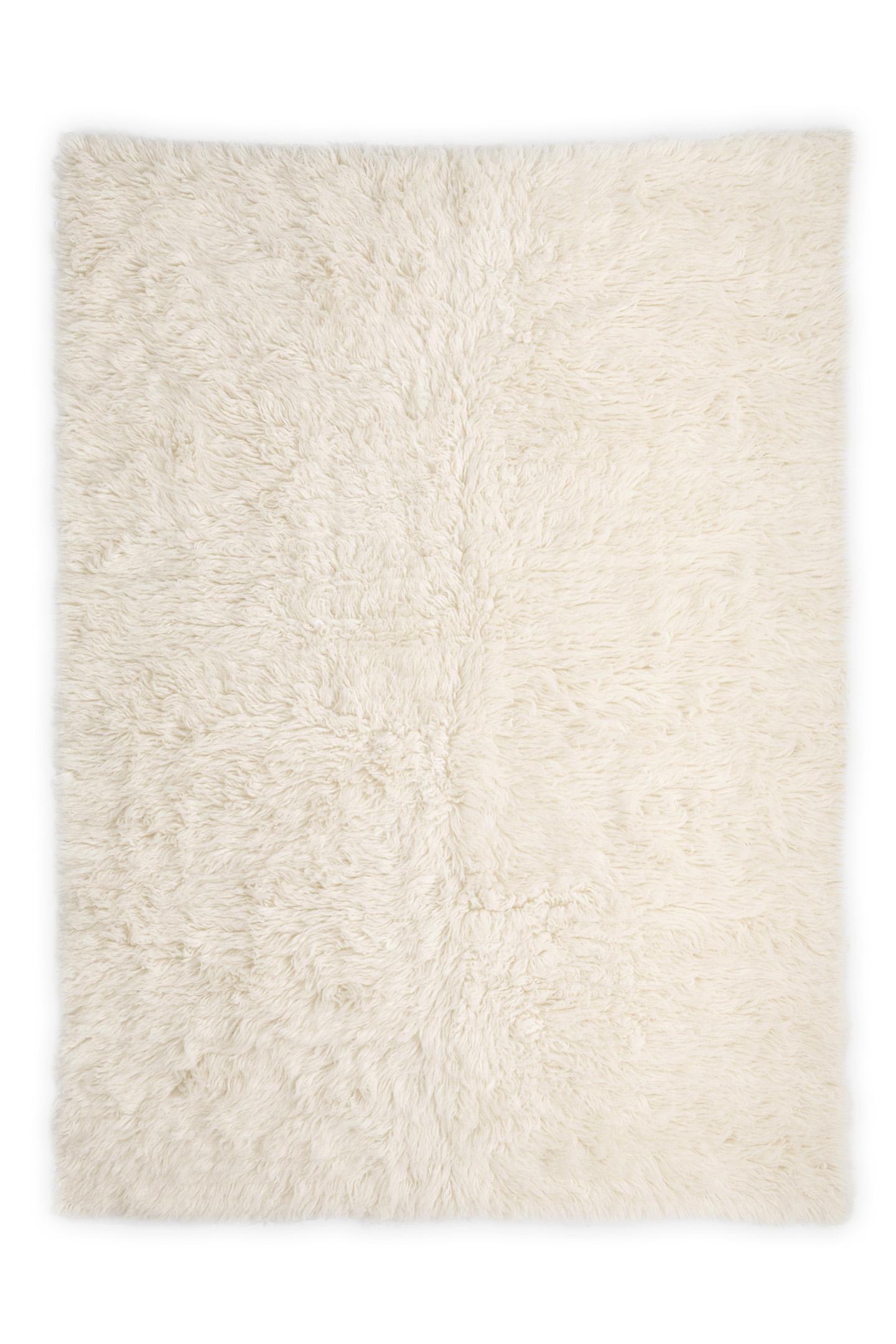


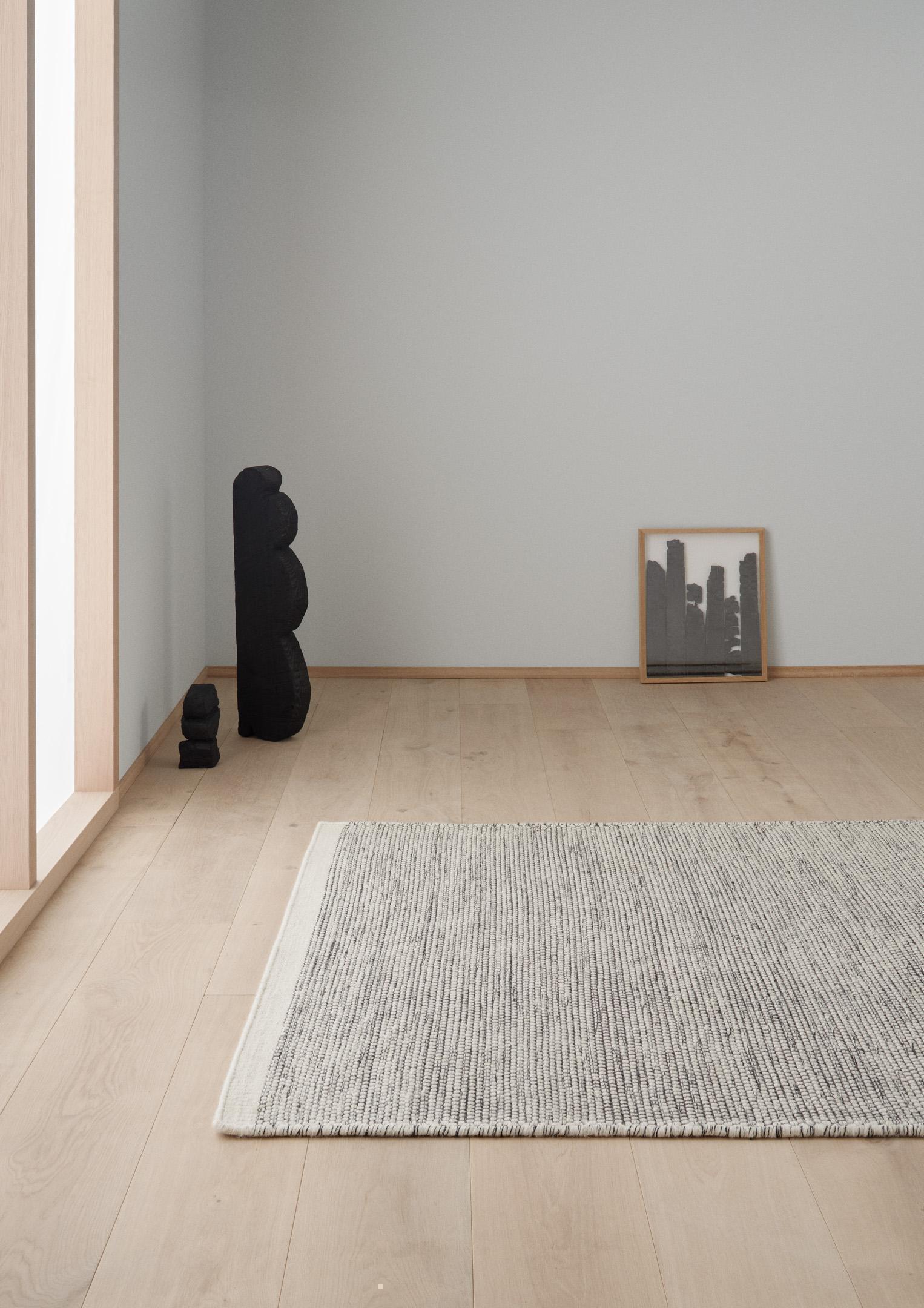


How to recognise a truly sustainable rug
When you stand in a well-furnished room and sense that everything fits together, you rarely wonder whether the rug beneath your feet will still look good tomorrow. That is precisely the essence of sustainable quality: a rug that does not feel interchangeable after two seasons, but grows with the home. Whether a wool rug, a jute rug or a natural fibre rug made from sisal, the fundamental question remains the same: was it made to last?
At Homerugs.de, the focus is on material choice, transparency of origin and skilled craftsmanship. No loud eco-jargon, no wagging finger. Instead: rugs that speak for themselves.
Spotting greenwashing: what the terms really mean
„Natural", „eco-friendly", „green" are easy words to print. Anyone who wants to buy a sustainable rug deserves more than a green label without evidence. The following points provide genuine guidance:
- Material specification: Is the raw material named precisely, for example virgin wool from controlled farming or organic cotton with GOTS certification?
- Origin of fibres: Is the source of the raw materials stated in a traceable way?
- Harmful substance testing: Is there a verifiable certification such as OEKO-TEX Standard 100?
- Production conditions: Are fair wages and social standards mentioned and substantiated?
- Longevity: Does the supplier make concrete statements about durability and care?
If this information is absent and only a general promise appears on the product page, it is worth asking further questions. Genuine sustainability explains itself with facts.
Material comparison: which fibre suits which requirement?
No material is equally well suited to every room and every household. A comparison helps with the decision:
- Virgin wool: Renewable, robust, naturally dirt-repellent and temperature-regulating. A high-quality wool rug lasts decades with proper care. Particularly valuable when sourced from responsibly managed sheep farming.
- Jute: A jute rug is made from a plant-based fibre that requires little water during cultivation. It brings a warm, earthy look and is well suited to dry living areas.
- Sisal: A sisal rug impresses with exceptional durability. The agave fibre handles heavy foot traffic while retaining a natural appearance.
- Cotton: Soft, skin-friendly and easy to care for. When organically grown, considerably more resource-efficient than conventional alternatives.
- Recycled fibres: Rugs with a recycled content conserve raw materials and, when well made, can be just as long-lasting as new goods. Harmful substance testing is particularly relevant here.
- Hemp: Fast-growing, robust and resilient. A sturdy alternative for areas with heavy use.
Longevity as the most important criterion
Every rug production consumes resources: water, energy, labour. Anyone who replaces a rug after two years has consumed those resources twice. Anyone who uses the same rug for ten or fifteen years has achieved more with a single decision than through any seasonal collection with a green label.
Longevity arises from three interacting factors: the quality of the raw fibre, the care taken in production and the right maintenance in everyday life. A rug that can be repaired and whose wear develops evenly is ecologically more valuable than a cheap model that is replaced after a short time. A considered choice outweighs a quick replacement.
Which certifications are meaningful for rugs?
Certifications provide useful, but rarely complete, information. Knowing their scope leads to better decisions:
- OEKO-TEX Standard 100: Tests for health-relevant harmful substances. A good indicator of product safety, but makes no statement about ecological production or working conditions.
- GOTS (Global Organic Textile Standard): Covers both ecological and social criteria. Considered more comprehensive than pure harmful substance certifications.
- Fair Trade: Relates to fair wages and production conditions, but says nothing about material properties.
Meaningful results come from a combination: tested materials, transparent origin, fair production. No single certification covers all three dimensions fully.
Sustainable rugs for every room
Natural materials suit far more interior styles than their reputation sometimes suggests. The following recommendations help with room selection:
- Living room: Wool rugs and jute rugs create a warm atmosphere. Both materials are long-lasting and versatile in appearance.
- Bedroom: Soft wool or cotton rugs are pleasant underfoot and tested for harmful substances, supporting a healthy sleeping environment.
- Dining room: Hard-wearing natural fibres or easy-care rugs with a recycled content are well suited to areas with chair movement and the risk of stains.
- Hallway: Sisal and robust jute qualities withstand heavy foot traffic while maintaining a consistently attractive appearance.
- Children's room: Tested materials free from harmful substances are the highest priority. Soft wool or organic cotton rugs are the first choice here.
- Outdoor: Rugs with a recycled content made from weather-resistant fibres are a sensible option for balconies and terraces.
Care significantly extends the lifespan
Natural fibres are sometimes considered delicate. This is only true when exposed to prolonged moisture; in everyday use, most natural materials prove considerably more resilient than expected. Wool repels dirt naturally. Sisal and jute hold up well under normal household use, but should be protected from standing water.
The most important care steps: regular vacuuming, occasional airing and the prompt absorption of spills. Caring for your rug extends its ecological value. After all, the most sustainable rug is the one that is used.
Price and quality: what a sustainable rug costs and why
A higher price needs explanation. Fair wages in production, skilled craftsmanship, high-quality raw materials and thorough quality checks are all reflected in the price. Buying such a rug means paying more once and gaining many years of use without replacement. Calculated over the lifespan, the overall cost is often more favourable than that of a cheap model with a short lifespan. In this sense, sustainability is not a premium, but part of a straightforward calculation.
