Buying a Rug: The Right Choice for Your Home
Start with the room, not the design
Imagine you see a rug online that immediately captivates you: the colour is right, the pattern fits, the price too. You order it, it arrives, you roll it out, and then somehow something just feels off. It looks small, lost, somehow out of place. This is exactly the situation I have encountered for years when friends and acquaintances ask me why their new rug, despite everything, does not deliver what it promised in the shop.
My first question back is always: Did you think about the room first, or the rug? A good rug buying guide consistently reverses this order. Room, use and requirements come first. Style and appearance follow at the end, once everything else is in place.
What the room really needs
Every room in the house has its own logic. In the living room, a rug should create zones and visually tie the seating group together. It gives the room warmth and depth, and it is walked on daily, often barefoot, sometimes with shoes. In the dining room, chair movement and stains are the priority: the rug must withstand friction and ideally not permanently absorb spills. In the hallway, robustness is paramount, as that is where outdoor dirt lands, every single day. The bedroom, on the other hand, allows more generosity: softer pile, warmer materials, a size that frames the bed.
With every recommendation, my first question is: Who walks here? How many people? Are there children, pets, or outdoor shoes involved? Is food eaten in the room? Is it exposed to sunlight? These answers set the framework for everything else.
Size: Generous rather than tight
Rugs that are too small are the most common mistake I see in furnished rooms. A size that only covers the middle of the room and leaves the furniture on the outside breaks up the floor plan rather than organising it.
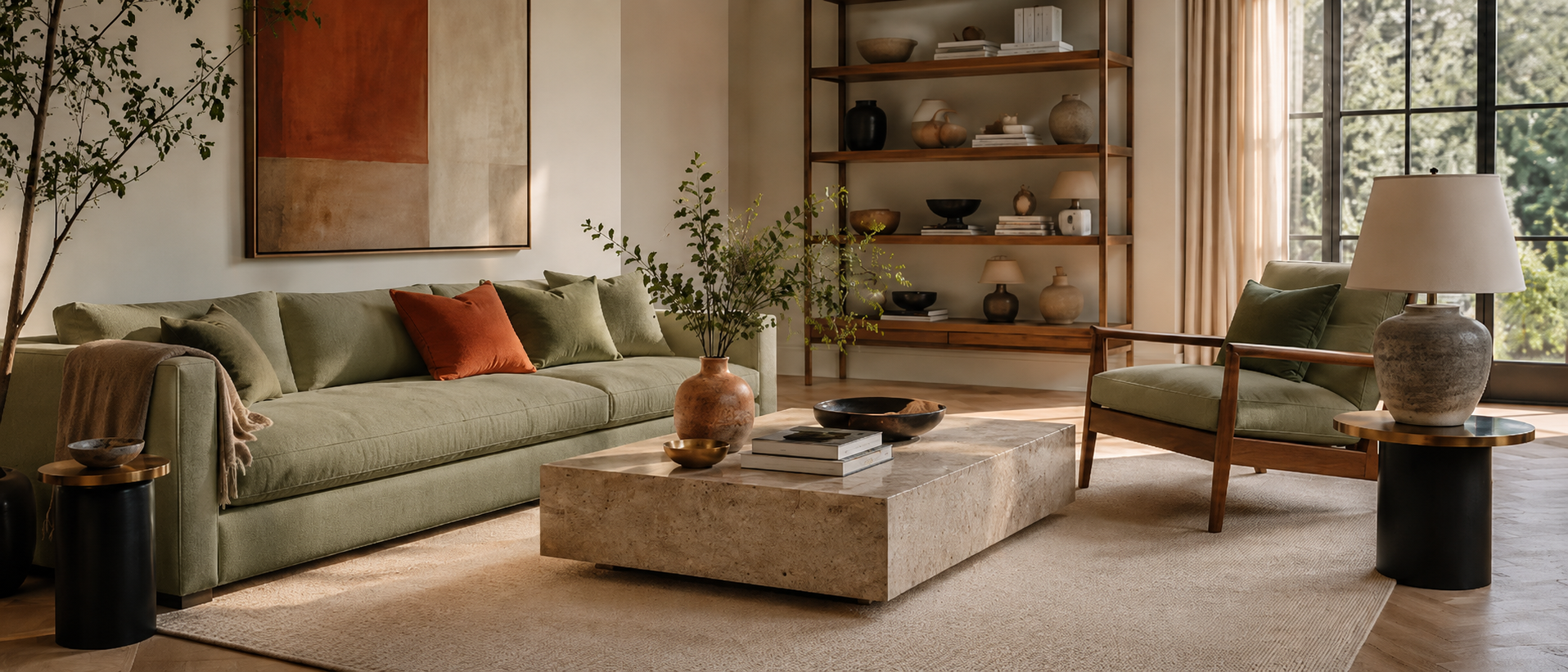
For the living room, I recommend placing the front legs of the sofa and armchairs on the rug. This connects the seating group, makes the room feel larger and gives the rug stability. When in doubt, go one size up.
In the dining room, a simple rule of thumb applies: chairs must remain fully on the rug even when pulled back. Anyone who overlooks this risks trip hazards and a rug that gets worn away by chair legs.
In the hallway, a runner should be laid with a lateral gap to the wall so it visually breathes. In the bedroom, I recommend letting the rug extend on both sides and at the foot of the bed.
- Living room: Aim to have the front legs of all seating furniture on the rug
- Dining room: Chairs remain fully on the rug even when pulled out
- Hallway: Lay the runner with a lateral gap to the wall
- Bedroom: Let the rug extend on both sides and at the foot of the bed
Choosing material according to everyday reality
In the long run, the material determines satisfaction more than colour or pattern. I like to divide it into four groups:
Wool
For living rooms and bedrooms, I most readily reach for wool. It is long-lasting, pleasant underfoot, moisture-regulating and naturally hard-wearing. Buying a good wool rug means making a decision for decades. Wool settles over time, becomes denser and wears more beautifully.
Synthetic fibre
Polypropylene and polyester are robust, easy to care for and often considerably cheaper. Anyone looking for a rug for the dining area, the hallway or a room with children and pets will be well served by synthetic fibre. Stains are easier to remove and the rug is more forgiving.
Natural fibres: Jute and sisal
Jute and sisal bring texture and an earthy quality to a room. They are less soft against the skin than wool, and they are generally not suited to moisture. I recommend them for dry rooms with gentle use, where their natural appearance takes centre stage in the design.
Silk and viscose
These materials have a characteristic sheen and look refined. Anyone looking to furnish a formal room with low footfall can achieve wonderful results here. However, the care requirements are real: moisture and abrasion affect these fibres more quickly than wool or synthetic fibre.
Understanding pile height and construction
Pile height influences comfort, cleaning effort and suitability for certain living situations.
Short pile and flatweave are excellent choices for dining areas, hallways and rooms with pets or children. The vacuum cleaner works well through them, stains do not sit as deep, and robotic vacuum cleaners also work reliably on them. For underfloor heating, flat constructions are the better choice because the heat is released upwards unimpeded.
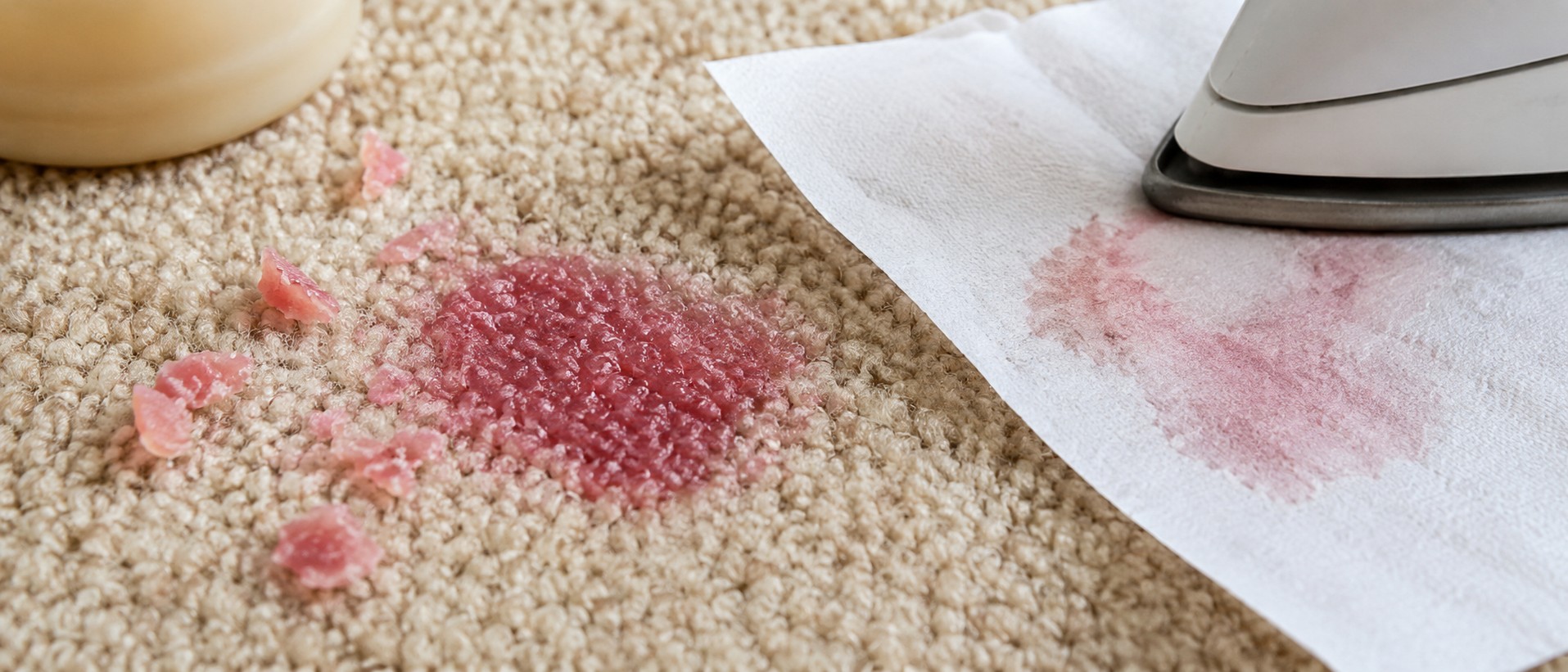
High pile invites you in: soft, warm, homely. Walking barefoot across a high-pile rug has a quality of its own. However, it stores more dust, is prone to crushing under pressure, and stains are more difficult to remove. Anyone choosing high pile should realistically factor in the care budget.
Assessing care needs honestly
A rug only works in the long term if its care requirements fit your everyday routine. This sounds obvious, but it is frequently overlooked at the point of purchase.
- Children and pets: Prefer short pile or flatweave, synthetic fibre or treated wool, dark or patterned colours
- Underfloor heating: Flatweave or short pile, total weight maximum 2,500 g/m²
- Dining area: Stain-resistant materials, easily wipeable surfaces
- Strong sunlight: Choose colourfast colours; light tones can yellow
- Allergy sufferers: Short pile and flatweave store less dust and pollen
- Robotic vacuum cleaners: Fringes and high pile are obstructive
Recognising quality and craftsmanship
Quality shows itself in several places at once. I turn every rug over and look closely at the back.
With hand-knotted rugs, the pattern appears on the reverse almost as clearly as on the front. The knots sit firmly, the edges are even, and the material springs back under the hand. Hand-knotted pieces are more labour-intensive to produce and correspondingly more durable.
Hand-tufted rugs usually have an adhesive backing made of latex. They often look convincing but are structurally built differently. Anyone who views a rug as a long-term investment should be aware of this distinction.
With oriental rugs, knot density is a reference point, but not the sole proof of quality. Origin, age, material, condition and artistic execution play an equally important role. An older piece made from high-quality wool with vivid natural colours can be considerably more valuable than a newer rug with a higher knot count made from inferior fibre.
Style, colour and room effect: The final step
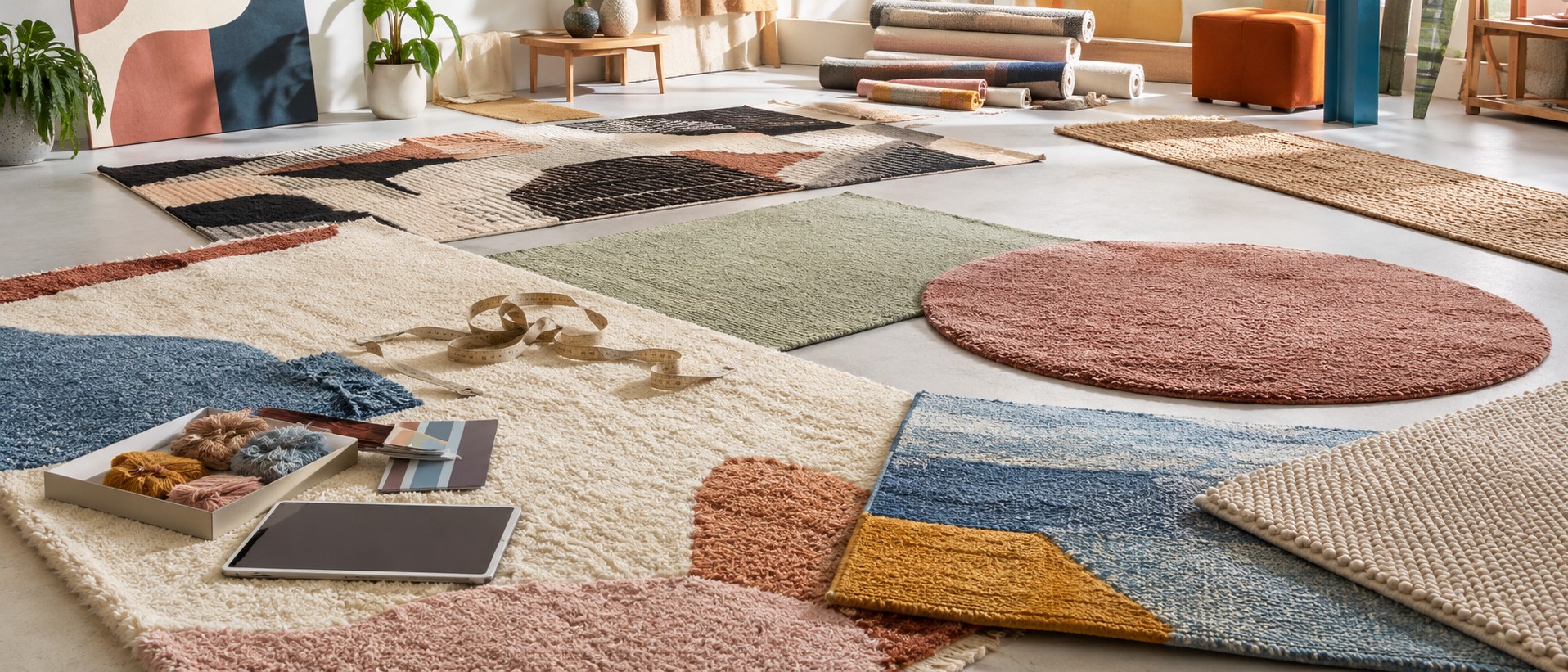
Once room, size, material, pile height and care have been clarified, the aesthetic almost follows naturally. Anyone who has gone through this process usually already has a clear idea of which colour and which pattern will actually work.
Light rugs visually open up a room, making it feel more airy. Dark tones provide depth and calm. A pared-back interior can carry a rug with strong character, a bold colour or an expressive pattern. Anyone who already has many patterns in the room benefits from a quieter format that holds everything together without competing.
Checklist: What should be clarified before buying
- Which room, how intensively used, what special requirements (pets, children, underfloor heating)?
- What size do I really need? Have I measured the room and taken the furniture arrangement into account?
- Which material suits the use and my willingness to maintain it?
- Short pile, high pile or flatweave: what makes sense in this room?
- Quality features checked: reverse side, edges, material, craftsmanship?
- Does the design suit what is already in the room?
High-quality rugs as a long-term investment
Anyone who prioritises quality when buying a rug makes a decision that often lasts for decades. A hand-knotted wool rug or a classic oriental rug develops its own patina over time. It becomes denser, more characterful, more vibrant. This is not romanticism but material physics: wool compacts and wears better with increasing use.
For me personally, a good rug is one of the few furnishing objects that improves with use. Anyone who has experienced this once will never again buy a rug intended only for the eye.
FAQ
How do I find the right rug size for my room?
Measure the room and take the furniture arrangement into account before settling on a size. In the living room: the front legs of the sofa and armchairs should be on the rug. In the dining room: chairs must remain fully on the rug even when pulled back. In the bedroom: let the rug extend on both sides and at the foot of the bed. As a general rule: when in doubt, go one size up. Sizes that are too small lose their impact on the room.
Which rug material suits my everyday life?
Wool: Long-lasting, pleasant underfoot, hard-wearing. Ideal for living rooms and bedrooms. Synthetic fibre (polypropylene, polyester): Easy to care for, robust, cheaper. Good for dining areas, hallways, rooms with children or pets. Silk and viscose: Refined and lustrous, but sensitive to moisture and abrasion. Better suited to formal areas with low footfall. Jute and sisal: Natural texture and appearance, less soft and sensitive to moisture. Suitable for dry rooms with gentle use.
Which rooms are suited to short pile, and which to high pile?
Short pile and flatweave: Easier to care for, less susceptible to dirt, better for robotic vacuum cleaners. Recommended for hallways, dining rooms, rooms with pets or children, and underfloor heating. High pile: Softer, more homely, more inviting for barefoot walking. Requires more maintenance, stores more dust and makes stain removal more difficult. With underfloor heating, always prefer short pile or flatweave so that the heat can be released upwards unimpeded.
How can I tell whether a rug is truly high quality?
Material: High-quality material feels pleasant and gives under pressure. Reverse side: With hand-knotted rugs, the pattern is clearly visible on the back. An adhesive latex layer indicates a hand-tufted product. Edges and fringes: Evenly finished and firmly in place. Fringes should grow out of the rug, not be sewn on. Oriental rugs: Knot density is a reference point, but origin, age, material and artistic execution are equally decisive for the value.
What should I clarify before buying, and in what order?
1. Room and use: Who walks on it daily? Children, pets, shoes, dining area? 2. Determine size: Measure the room and factor in the furniture before choosing a model. 3. Assess care requirements: How much time and willingness does everyday life realistically allow? 4. Choose material: Wool for longevity, synthetic fibre for easy care, silk for formal settings. 5. Design last: Derive colour and pattern from the desired room effect and the existing furnishings.