Cotton Rug: natural, soft and everyday practical
Barefoot on natural fibres: why cotton convinces as a rug material
Anyone who walks barefoot across a new rug in the morning immediately notices what matters: the material must feel pleasant, look natural and remain uncomplicated in everyday use. Cotton fulfils precisely these expectations in a way that hardly any other rug material achieves with the same lightness, airiness and homeliness. This guide explains what lies behind the material, which rooms a cotton rug is suited to and where other fibres may be the better choice.
Cotton as a plant fibre: the material behind the rug
Cotton belongs to the group of plant-based natural fibres. It grows as a soft, fluffy down around the seed capsules of the cotton plant Gossypium. After harvesting, the raw fibre goes through several processing steps: cleaning, combing, spinning and dyeing. The result is a yarn that feels naturally fine, supple and easy to process further. Compared to wool, which is obtained from animal hair, cotton is a fibre of purely plant origin. This makes it the first choice for anyone who pays attention to suitability for wool allergy sufferers or the absence of animal materials.
A global raw material with a long history
Cotton cultivation can be traced back well over 5,000 years. Today, India, China, the USA, Brazil and Pakistan supply the largest share of world production. Fibre quality varies considerably depending on the growing region, variety and harvesting conditions. Particularly fine, long-staple fibres are considered higher quality, as they can be spun more evenly and produce a softer yarn. For rugs, slightly sturdier yarns are often used, which can be woven or tufted more easily while still retaining the typically soft cotton feel.
From yarn to rug: an overview of processing methods
Cotton can be processed into rugs in various ways. Each method brings a different appearance and different performance characteristics:
- Woven rugs and kilims: Flat and structured, particularly durable and reversible. Typical of traditional and ethnically inspired designs.
- Flatweave: Simple, lightweight construction, ideal for kitchens, dining rooms or as runners. Often machine washable.
- Tufted models: With loops or cut pile, softer to the touch and more voluminous in appearance.
- Rag rugs (Chindi): Woven from recycled cotton strips, individual in appearance and sustainable in approach.
Cotton absorbs dyes particularly evenly, enabling clear patterns, intense colours and a wide variety of design options. This makes the material attractive for both plain solid colours and elaborate patterns.
Strengths of a cotton rug
A cotton rug brings a range of tangible benefits that make it a convincing choice in many living areas:
- Soft, fine texture: Cotton fibres are naturally supple. The barefoot comfort is pronounced, especially in tufted models with pile.
- Skin compatibility: The material is considered hypoallergenic and is suitable for people who are sensitive to wool or who wish to avoid animal fibres altogether.
- Light, calm appearance: Cotton feels lighter and more relaxed than wool. It suits natural interior concepts, light colour palettes and Scandi style as well as classically understated rooms.
- Versatile dyeability: From muted earth tones to vivid accent colours, the fibre absorbs colour evenly and retains it long-term with correct care.
- Low weight: Cotton rugs are considerably lighter than comparable wool rugs. This makes rearranging, washing and storing much easier.
- Often machine washable: Smaller models can, depending on the care label, be cleaned easily on a gentle cycle. This is a clear advantage over many other rug materials.
Limitations of the material: an honest assessment
Cotton is absorbent. This property means the fibre takes up moisture readily, but also releases it only slowly. In permanently damp rooms or with poor ventilation, this can lead to mould forming if a wet rug lies on the floor for too long.
In heavily trafficked walkways, such as a long hallway or entrance area, cotton shows signs of wear more quickly than a robust wool rug or a synthetic fibre rug with high abrasion resistance. The fibre is soft and pleasant, but under intensive mechanical stress it is less resilient than denser, harder materials.
Colour fastness is another point that deserves attention. Prolonged direct sunlight and incorrect cleaning agents can cause colours to fade. Anyone buying a rug because it is "washable" should read the care label carefully: incorrect temperatures, aggressive spinning or unsuitable detergents can permanently alter the shape, structure and colour.
Rooms and areas of use: a check
A cotton rug performs well in many rooms when the intended location suits the material's properties:
- Children's room: A children's room rug made of cotton is one of the most popular combinations. The soft surface, skin compatibility and washability of many models speak clearly in its favour.
- Bedroom: Cotton creates a calm, homely atmosphere. Getting up barefoot in the morning and stepping onto a cotton surface is pure comfort.
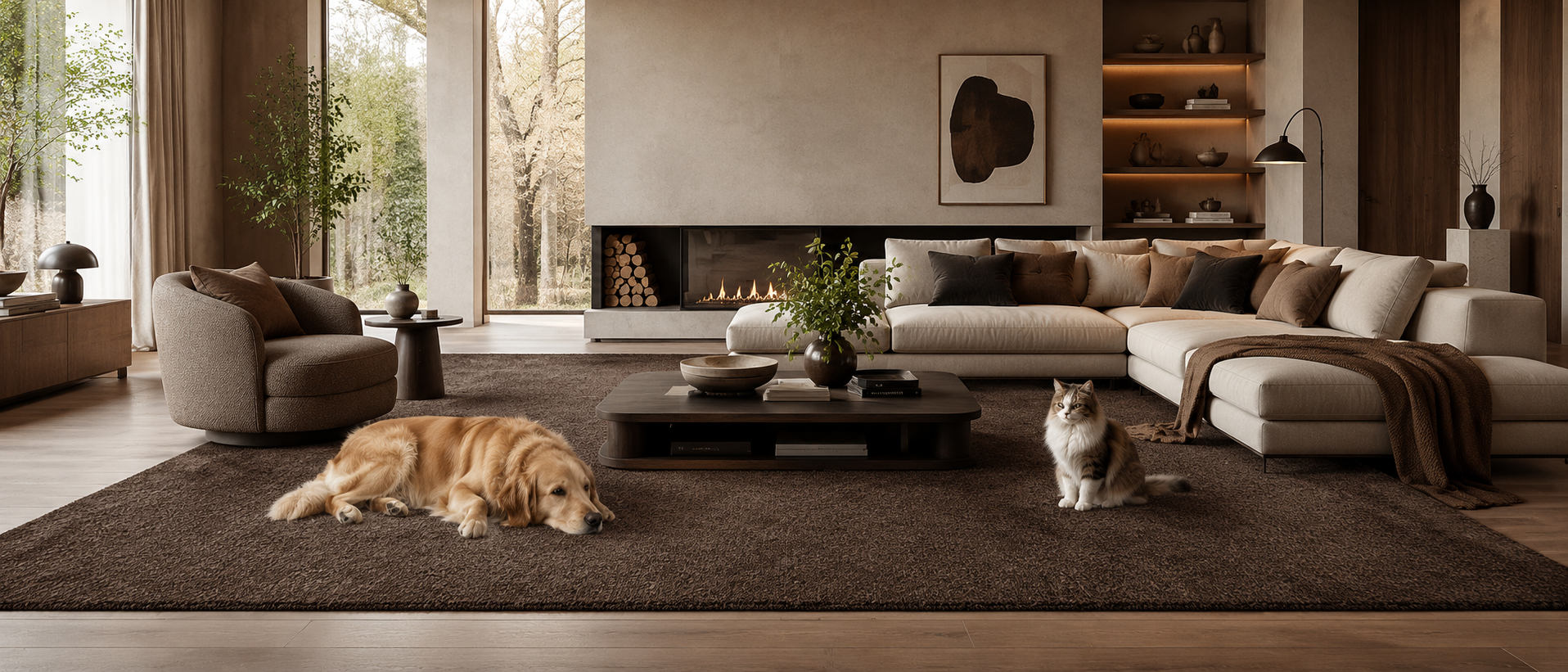
- Living room: A living room rug made of cotton is particularly suited to bright, naturally furnished areas with moderate foot traffic. For very high levels of use, a more robust alternative is recommended.
- Kitchen and dining area: Flatweave cotton works well in these zones, provided it is washable and the floor allows moisture to dissipate effectively.
- Hallway and runners: In shorter, less heavily used entrance areas, cotton can work well. Long, heavily trafficked hallways are better served by more hard-wearing materials.
Everyday care: what really matters
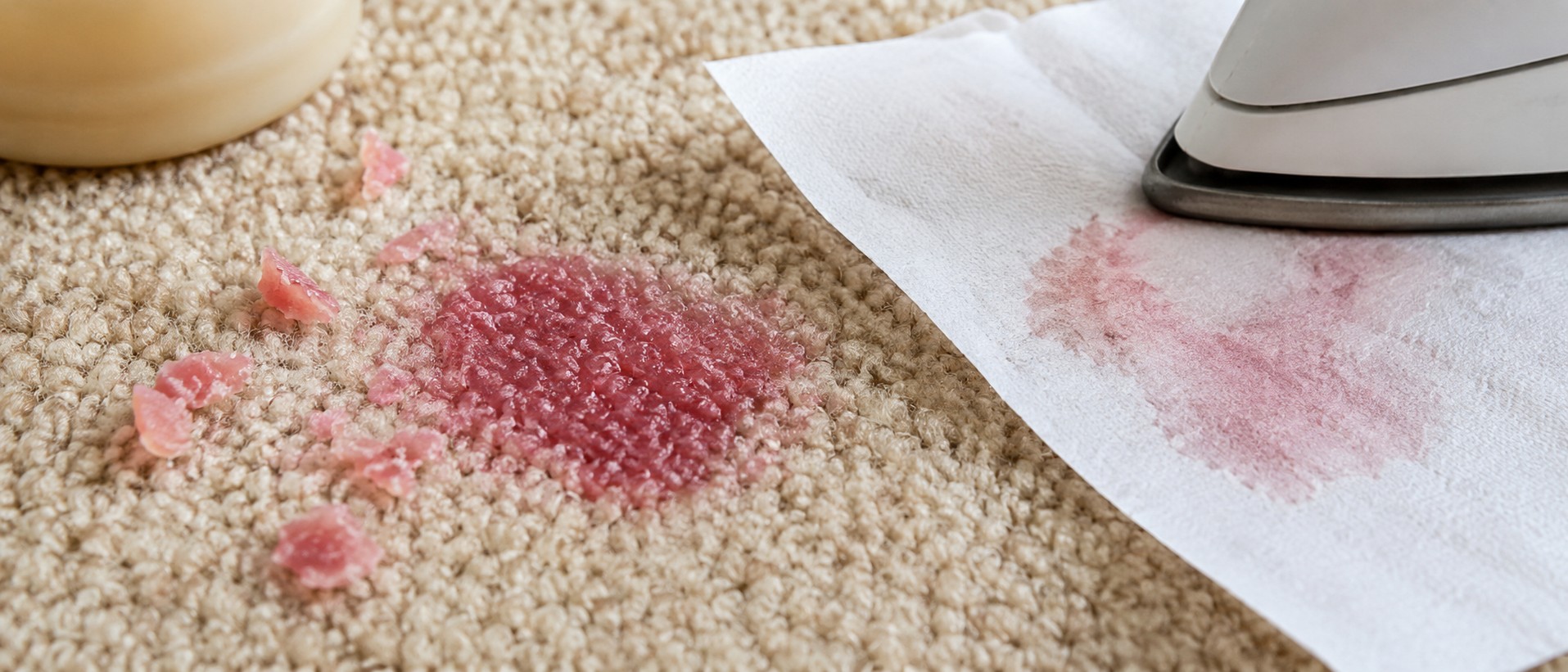
Cotton rugs are straightforward to handle on a daily basis. Regular vacuuming keeps the fibres clean and prevents dirt particles from working their way deep in. Blot fresh stains immediately, as rubbing can roughen the fibre and push the stain deeper into the weave.
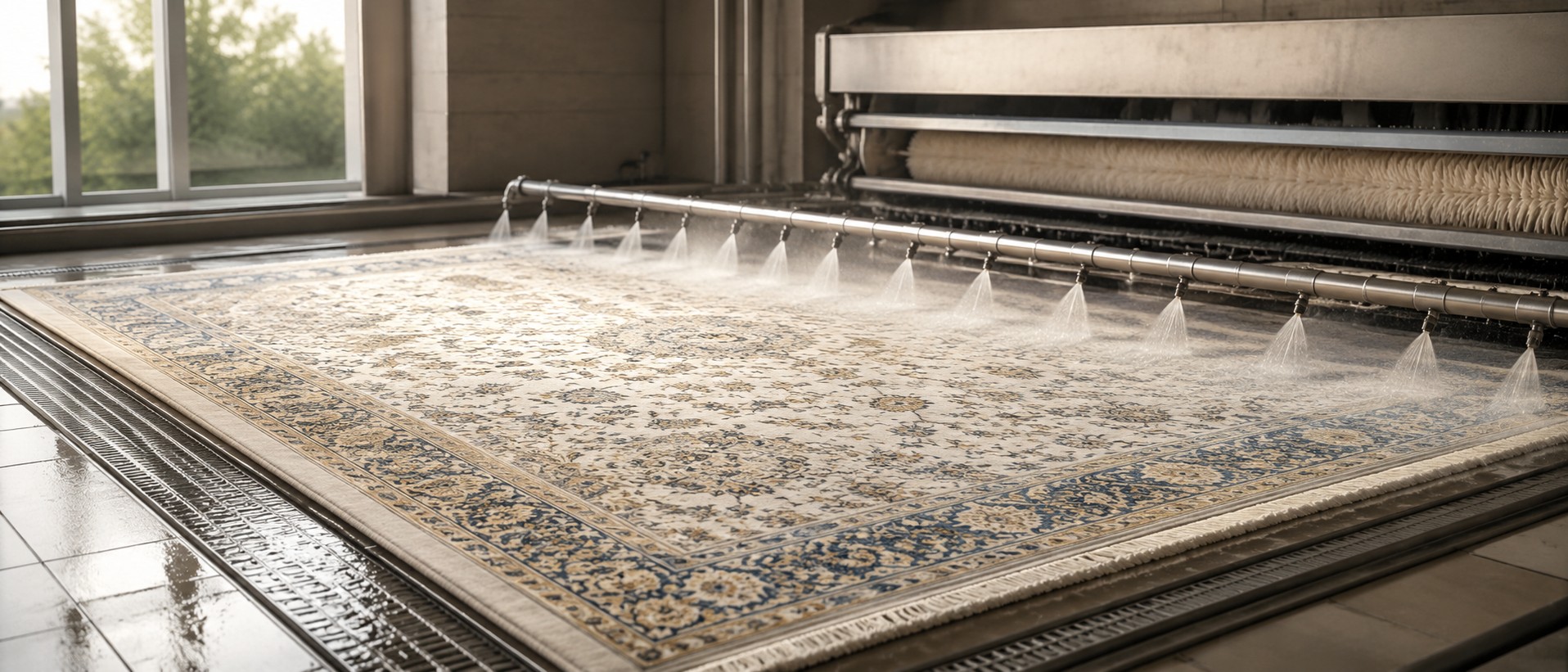
Smaller models are often machine washable. The rules are: gentle cycle, moderate spin speed, no bleach, no hot water. Afterwards, allow the rug to dry flat, never hang it while wet, as many cotton weaves can become permanently distorted. Larger rugs should be entrusted to a professional cleaning service. Wet cleaning large rugs at home carries the risk of moisture becoming trapped inside.
Sustainability: a nuanced look at a natural fibre
Cotton is biodegradable and comes from a renewable plant. Compared to synthetic fibres such as polyester or polypropylene, which are produced from petroleum, this is a genuine advantage.
However, conventional cotton cultivation deserves critical consideration. It is among the most water-intensive branches of agriculture worldwide and relies on the use of pesticides and fertilisers in many growing regions. Anyone wishing to pay attention to a better environmental footprint should specifically look for organic cotton or recycled cotton. Certifications such as OEKO-TEX Standard 100 provide information about the pollutant testing of the finished product. Transparent origin details and credible product information from the manufacturer are further reliable indicators.
Cotton in comparison: wool, jute and synthetic fibre
When selecting a rug material, people typically compare several options. Here is an objective comparison:
- Cotton vs. wool rug: A wool rug is generally more robust, more dirt-resistant and longer-lasting under heavy use. Cotton is lighter, more affordable and suitable for people who avoid wool. For heavy foot traffic, the wool rug comes out ahead. For comfort, lightness and washability, cotton scores well.
- Cotton vs. jute rug: A jute rug brings a more rustic structure and a very natural aesthetic. Jute is less soft and even more sensitive to moisture than cotton. In terms of feel and versatility, cotton has the edge.
- Cotton vs. synthetic fibre: Polyester or polypropylene rugs are often cheaper to produce, very easy to care for and particularly hard-wearing. However, they rarely achieve the natural look and organic feel of a plant fibre. For anyone who places value on naturalness as a criterion, cotton is the clear choice.
Buying decision: what specifically matters
Anyone buying a cotton rug should check a few points carefully:
- Weave and pile height: Flatweave for kitchens and hallways, tufted models for bedrooms and children's rooms.
- Weight and density: Heavier, more densely woven rugs are generally more durable than lightweight flatweaves.
- Anti-slip properties: Lightweight cotton models can shift on smooth floors. An anti-slip mat provides a remedy.
- Care label: Machine washability is not a given. Always check the temperature, spin speed and detergent recommendations.
- Certifications: OEKO-TEX or comparable quality marks provide assurance regarding pollutants, particularly relevant for children's rooms.
- Location: Damp rooms and extremely heavily trafficked zones are better equipped with more robust materials.
Conclusion: who benefits from a cotton rug?
A cotton rug is the right choice for anyone who values natural materials, a pleasant feel and straightforward care. It fits harmoniously into rooms where comfort, homeliness and a calm aesthetic are the priority. For bedrooms, children's rooms and living areas with natural interior concepts, it is a convincing option. Anyone furnishing a permanently damp room or covering a heavily used walkway should consider more robust alternatives. The particular strength of cotton lies precisely where softness, lightness and everyday practicality are all required at once.
FAQ
What material is a cotton rug made of exactly?
Cotton is a plant-based natural fibre from the seed hairs of the cotton plant Gossypium . The raw fibre is cleaned, spun and dyed before being processed into rugs. Common processing methods include woven kilims, flatweaves, tufted models and rag rugs. The result is a light, soft and naturally looking rug that is clearly distinct from wool and synthetic fibre.
How much effort does cleaning a cotton rug involve?
Regular vacuuming is sufficient for everyday use, to remove dust and loose dirt. Blot stains immediately (do not rub) to prevent them from working into the fibre. Many smaller models are machine washable: gentle cycle, low spin speed, no bleach. Allow the rug to dry flat after washing, never hang it while wet. Have larger rugs cleaned professionally, as wet cleaning at home carries a risk of mould.
What strengths make a cotton rug a good choice?
Supple, skin-friendly surface with pronounced barefoot comfort. Suitable for people who react to wool or wish to avoid animal fibres. Lighter than wool: easier to handle, rearrange and wash. Excellent dyeability for vivid colours and varied designs. Often machine washable, particularly practical for a children's room rug or bedroom. Natural, calm aesthetic that suits bright and naturally furnished living spaces.
Where does a cotton rug reach its limits?
In heavily trafficked walkways, cotton shows wear more quickly than a wool rug or synthetic fibre rug. The fibre absorbs moisture and dries slowly. In permanently damp rooms there is a risk of mould. Colours can fade with prolonged sunlight exposure or incorrect cleaning. Machine washability applies only to certain models. The care label is binding. Lightweight flatweaves can slip on smooth floors. An anti-slip mat is recommended.
How does cotton perform in terms of environmental friendliness?
Cotton is a natural, biodegradable fibre and therefore an alternative to petroleum-based synthetic fibres. However, conventional cultivation is water-intensive and reliant on pesticides. A blanket green claim would be imprecise. Organic cotton and recycled cotton offer a considerably better environmental footprint. Certifications such as OEKO-TEX Standard 100 confirm the pollutant testing of the finished product. Transparent origin details from the manufacturer are the most reliable indicator for an informed buying decision.