Silk Rug: Sheen, Care and the Right Buying Decision
Imagine: light falls on a rug and changes its colour
That is exactly what happens with a silk rug. Anyone who has experienced how a rug made from natural silk appears deeper in tone from one angle and more luminous from another understands why this material has held a top position in rug craftsmanship for generations. However, a silk rug also places clear demands on placement and care. Understanding this leads to a well-informed buying decision.
Care requirements and everyday suitability: an honest assessment upfront
Anyone considering buying a silk rug should first evaluate the intended location. Silk is more delicate as a rug pile than most other natural fibres. Moisture, heavy abrasion and aggressive cleaning products can cause lasting damage to the fine fibre.
Well suited:
- Bedrooms and quiet living areas with low usage intensity
- Formal rooms, salons or reception areas
- Lightly trafficked surfaces where the visual effect takes centre stage
- Wall hangings and collector's pieces
Less suited:
- Hallways, dining rooms and kitchens with high abrasion
- Children's rooms and households with pets
- Areas with regular exposure to moisture
- Rooms with intense, prolonged direct sunlight (UV fading possible)
For living spaces with normal everyday use, a wool rug with silk accents is often the more balanced choice: it delivers the desired lustre effect whilst tolerating significantly more wear.
What makes silk special as a material
Silk is a natural protein fibre, obtained from the cocoons of the mulberry silkworm Bombyx mori. Each caterpillar spins a single, continuous thread of several hundred metres. This thread consists at its core of fibroin, a mechanically resilient protein, and is coated with sericin, an adhesive substance that stabilises the cocoon structure. For rug production, sericin is largely removed, allowing the smoothness and sheen of the fibre to come fully into their own.
The extraordinary fineness of the silk fibre is the decisive factor for quality in a rug: thinner fibres allow a higher knot density per square centimetre. The result is sharper outlines, more precise ornamentation and pictorial motifs that cannot be achieved with other materials.
How silk is used in rugs
Silk as a rug material appears in three basic forms:
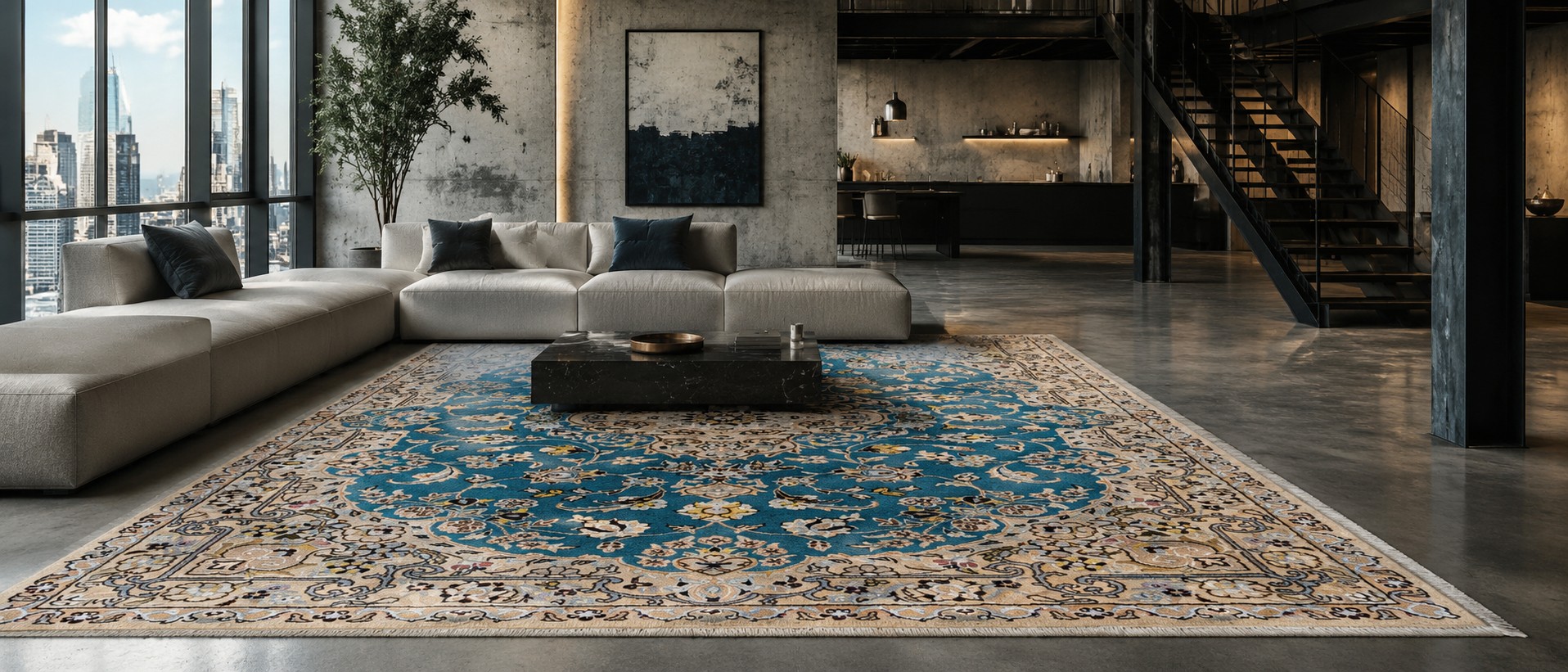
- Pure silk rug: Pile, warp and sometimes also weft consist entirely of silk. Classic rugs from Qom or Kashmir are among the best-known representatives of this category. They are individual artisanal pieces with exceptional knot density.
- Silk accents in a wool rug: Silk takes on outlines, pattern areas or light accents in a targeted manner, whilst the ground surface consists of wool. This combination unites sheen with robustness.
- Silk in warp and weft: Silk forms the load-bearing foundation weave. This results in particularly thin, supple rugs with high flexibility.
The strengths of a silk rug at a glance
- Iridescent sheen: The smooth fibre surface refracts light differently depending on the viewer's perspective. The rug appears lively and three-dimensional.
- Pattern precision: High knot density allows floral patterns, fine medallions and curved ornamentation with a sharpness that coarser fibres cannot deliver.
- Texture: The surface feels smooth, cool and pleasant, which matters particularly when the rug is to be experienced as a tactile design object.
- Prestigious presence: Classic rugs in pure silk develop the aura of a collector's piece that defines the room.
Silk, wool, viscose and Tencel compared
On the market, various materials are offered under the term "silk rug". The differences are considerable.
Genuine natural silk comes from the silkworm and is an animal protein fibre. It offers the most intense natural sheen, the highest pattern precision and the characteristic texture. At the same time, it is the most expensive and most care-intensive of the materials mentioned here.
Viscose and art silk are regenerated fibres based on cellulose and imitate the sheen of silk visually. Their price is significantly lower. However, these fibres react to moisture even more sensitively than genuine silk: when wet, they become soft and lose their structure. A viscose rug is not a silk rug in the sense of genuine natural silk.
Tencel (Lyocell) is likewise a cellulose fibre, but is produced in a more resource-efficient process and displays a certain shimmer effect. In terms of texture and long-term behaviour, Tencel differs clearly from genuine silk.
A wool rug with silk accents remains the most balanced solution for most living spaces: more robust in everyday use, easier to care for and more accessible in price, whilst still offering sheen and visual depth.
Caring for a silk rug: gently and consistently
The care of a silk rug follows the principle of minimal intervention with maximum diligence.
- Vacuuming: Regularly on a low suction setting, always in the direction of the pile. Vigorous brushing or scrubbing damages the fibre.
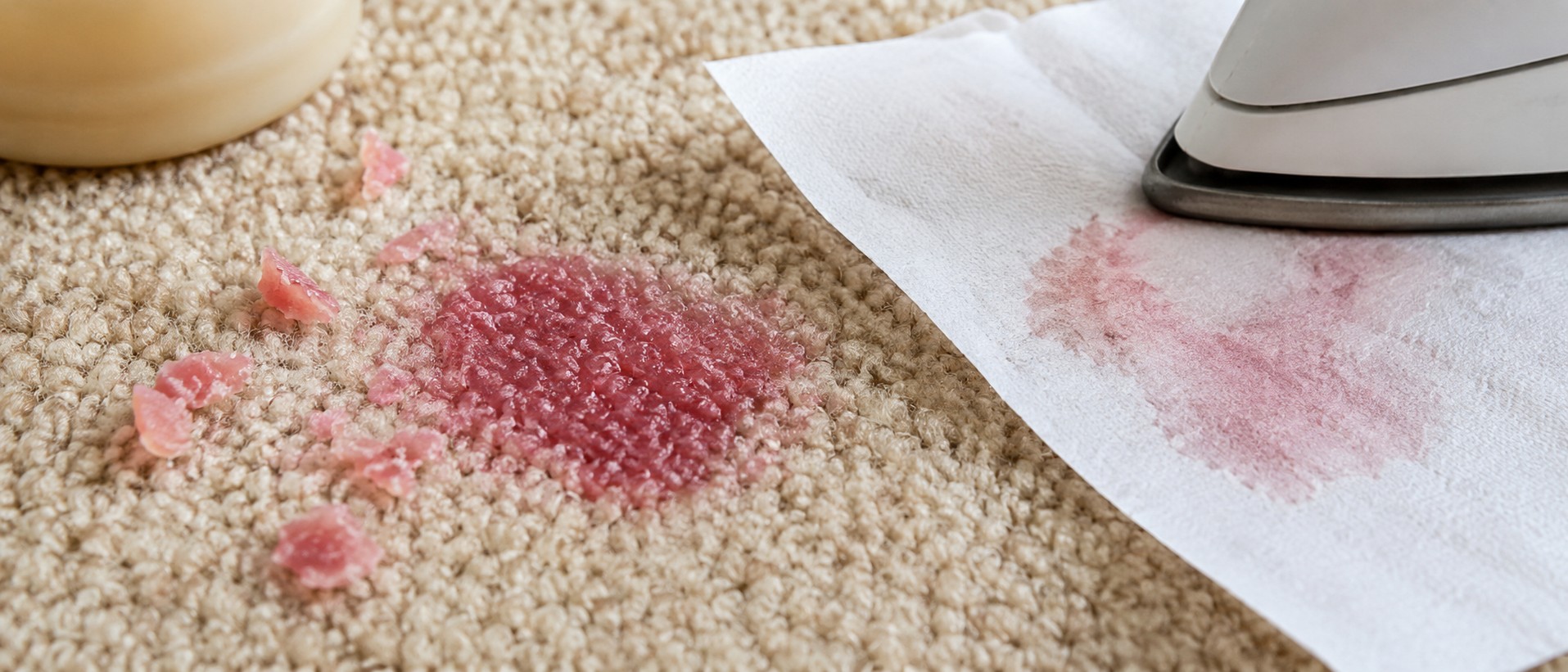
- Stains: Blot immediately and carefully, do not rub. Use moisture sparingly.
- Wet cleaning: No independent wet cleaning. Silk is sensitive to excess water, heat and aggressive cleaning products. Deep cleaning should be entrusted to specialist companies.
- UV protection: Intense sunlight bleaches colours over time. A partly shaded position protects the vibrancy of the colours.
- Underlay: A suitable rug underlay reduces slipping and protects the reverse side from abrasion.
Why a genuine silk rug commands its price
The price of a silk rug reflects three factors: material, craftsmanship and time. Thousands of cocoons are needed to produce one kilogram of raw silk. The knotting work itself is extraordinarily time-intensive: a medium-sized silk rug with a fine knot density can take years to produce, with every single knot tied by hand. The precision required to execute fine patterns without error demands many years of experience. The finished piece is in many cases a unique work of artisanship.
Decision guide: which rug option fits?
- Pure silk rug: For quiet premium areas, formal rooms or as a collector's piece. Requires consistent care and a location free from heavy use.
- Wool rug with silk accents: The elegant everyday solution. Brings sheen and depth to the living space whilst remaining easier to care for and more hardwearing.
- Pure wool rug or robust natural fibres: For hallways, dining rooms and heavily frequented living areas, the more reliably durable choice in the long term.
The strongest argument for a silk rug is precision, sheen and texture in a place where these qualities can truly come into their own.
FAQ
What material is a genuine silk rug made from?
Natural silk is a protein fibre obtained from the cocoons of the mulberry silkworm Bombyx mori . The thread consists at its core of fibroin, a tensile protein, and is coated with sericin. For rug production, sericin is removed, releasing the smoothness and natural sheen. In a rug, silk appears as a pure pile, as an accent material in a wool rug, or in the foundation weave. The result: exceptional pattern precision and an iridescent shimmer that other materials cannot achieve.
What accounts for the high price of silk rugs?
Obtaining natural silk is labour-intensive: thousands of cocoons yield only one kilogram of raw silk. The knotting work is extremely time-intensive. A medium-sized rug with a fine knot density can take years to complete. Every single knot is tied by hand, and the precise execution of fine patterns requires many years of experience. High-quality silk rugs are frequently unique works of artisanship. The price is a direct reflection of material, handwork and level of detail.
Can a silk rug withstand the demands of everyday life?
In quiet rooms with low foot traffic: yes, a genuine silk rug performs there fully. In hallways, dining rooms, children's rooms or households with pets: less suited. Silk is a strong fibre, but as a rug pile it is sensitive to abrasion and moisture. For normal everyday living, a wool rug with silk accents offers greater suitability whilst delivering the same lustre effect.
What do I need to bear in mind when cleaning my silk rug?
Vacuum regularly on a low suction setting in the direction of the pile; no vigorous scrubbing. Blot stains immediately and carefully, do not rub; use moisture sparingly. No independent wet cleaning: silk is sensitive to water, heat and aggressive cleaning products. Leave deep cleaning to a specialist company to avoid irreversible damage. Protect the rug from intense sunlight to prevent fading.
Silk, wool or viscose: which material suits my home?
Genuine silk: Refined, fine, natural sheen and the highest pattern precision. Care-intensive and costly. Ideal for quiet premium areas. Wool: More robust, easier to care for and more suited to everyday use. Recommended for heavily used rooms. Also visually refined as a wool rug with silk accents. Viscose or bamboo silk: Imitates the sheen of natural silk but is not a genuine animal fibre and is even more sensitive to moisture than silk. Tencel: Produced in a resource-efficient process, displays a certain shimmer, but differs clearly from natural silk in texture and long-term behaviour. The best choice depends on the room, usage and budget.