What is a greige rug? Greige between grey and beige explained
Everywhere since 2016: the rise of greige in interior design
Greige has developed into one of the most sought-after colours in interior design over recent years. The big push came from 2016 onwards, first in the world of fashion, then in living rooms. Anyone searching for rugs, wall colours or sofas today will almost inevitably come across the term. Delicate, warm colour nuances such as cream white, greige and terracotta also featured prominently in the 2024 home trends.
With a rug, however, the key question is different from that of a cushion: a rug often stays in place for many years. Is a trend term really worth it in that case? That is exactly what we look at here, along with the greige meaning, the word's origins and the most beautiful combinations for a rug in greige.
Trend or classic: what speaks in favour of long-term value
In short: greige is a trend that behaves like a neutral colour. And that makes all the difference. More recent US sources reported as early as 2026 that the greige hype was fading and regarded the tone as overused. That is one perspective.
The other: precisely because of its versatility, greige continues to be considered a colour with high long-term value. A tone that works with almost every wall colour, every piece of furniture and every style does not date as quickly as a clear fashion colour. For a rug that is meant to last, that is a solid argument.
What greige means: the neutral colour between grey and beige
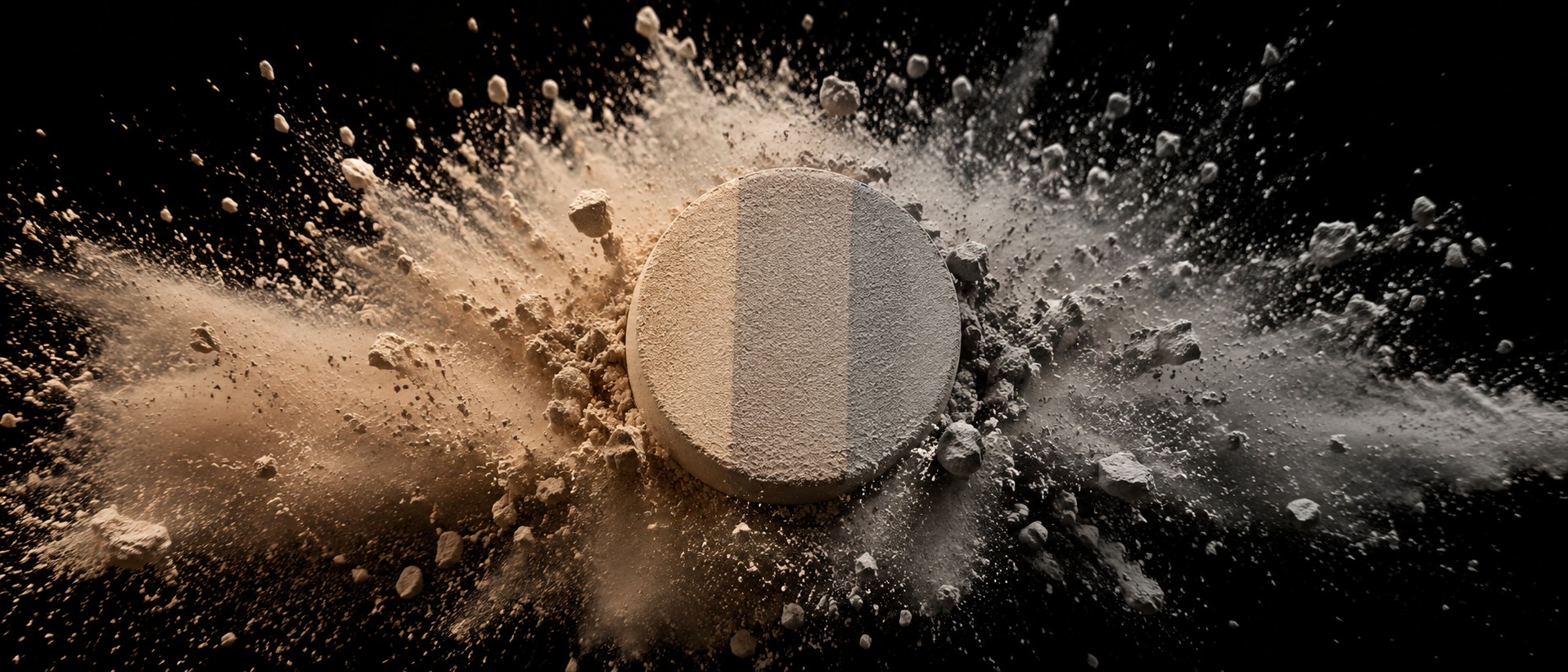
The colour greige is a mixed colour combining grey and beige. It sits exactly between cool and cosy, and depending on the light conditions it can appear warmer or cooler. The shade feels more homely than pure grey and at the same time more modern than pure beige.
So what does greige mean in everyday terms? It is a calm, balancing neutral colour. It creates a harmonious balance between warm beige and cool grey nuances, bringing a welcoming, refined atmosphere to a room. A good comparison: picture the same room with a pure grey rug, cool and crisp, and then with a greige rug. The greige rug brings in a noticeable warmth while remaining just as understated. A pure beige rug, on the other hand, feels softer but less modern. Greige sits in between.
A spectrum rather than a fixed tone: why there is no single greige
An important point that protects against mistaken purchases: there is no single, fixed greige. No RAL code, no standard value that would definitively be "the greige". Instead, it is an entire spectrum of nuances.
Some greige tones lean more towards grey, others more towards beige, and others still have a slight green or pink tinge. This is why greige is also frequently described as a "non-colour", because it is neither clearly grey nor clearly beige. For you, this means: always look at it in the actual room light, because the same rug can appear warm by the window and cooler in a dark corner. Warm greige tones make a room feel soft and relaxed, cool greige tones feel clean and crisp.
The word's history: from the French grège to a home-décor portmanteau
The word "greige" is a portmanteau, a blend of the English "grey" and "beige". Simple and apt. The linguistic trail, however, goes further back.
According to Merriam-Webster, "greige" ultimately derives from the French "grège", which meant "raw, unprocessed", referring to silk. "Grège" originally described raw silk in its natural, undyed colour straight from the cocoon. Via the Italian "greggio" (raw), the trail presumably leads back to the Latin "gregius" (common, plain). In the textile industry, "greige goods" still refers today to unprocessed, undyed raw fabric straight from the loom. An important note for context: this raw-silk root explains the word's history. The modern home-décor meaning of greige is a later reinterpretation that emerged in English.
Greige in five interior styles, from Scandinavian to Industrial
Because greige is so neutral, it is considered adaptable to almost any interior style. Five in which a greige rug works particularly beautifully:
- Scandinavian: Neutral tones such as white, beige and grey dominate here, along with simple patterns. Picture a Scandinavian living room with a wool rug in which greige holds together the natural materials linen and cotton. Scandinavian rugs are traditionally made from natural materials such as cotton, linen, hemp or virgin wool.
- Minimalist: A home office in which a greige rug combined with white and ecru creates a calm, uncluttered look. Little colour, plenty of clarity.
- Modern: Greige takes the hard edge off sharp lines while remaining clean and clear.
- Classic: As a warm base beneath dark woods and refined fabrics.
- Industrial Chic: As a soft counterpoint to concrete, metal and raw surfaces.
The natural appearance of wooden furniture and wooden floors is further accentuated by greige tones.
Colour combinations: from white and ecru to black and petrol
Greige can be combined in almost any direction. Three approaches, depending on the desired mood:
- Light and calm: With white and other neutrals such as cream, ivory or ecru, a minimalist, stylish look is created.
- High contrast: With dark colours such as black, anthracite or petrol, the result is modern and striking. Think of a living room in which black and petrol serve as accents alongside a greige living room rug. The rug calms, the accents create tension.
- Warm and refined: With earthy tones such as cognac or mahogany, greige feels cosy and high-quality.
Natural materials such as wood, sand and taupe tones pair particularly well with this, as they pick up the warm side of greige.
Room effect: why light greige tones open up a space
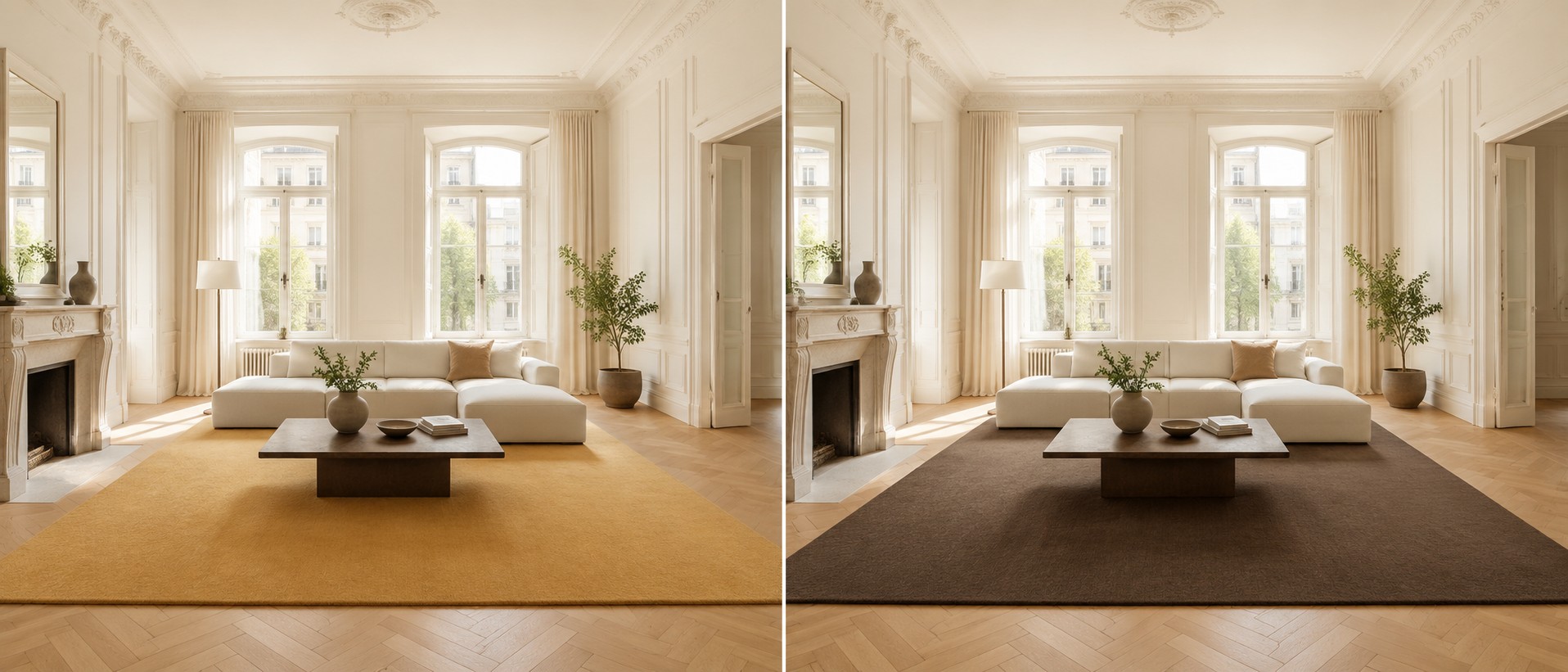
A greige rug can do more than simply look beautiful. Light, bright colours make a room appear visually larger and airier because they reflect more light. Light greige tones can create a sense of spaciousness in rooms with plenty of natural light.
In addition: cooler, less saturated colour tones recede visually and make walls appear further away. Darker tones tend to make a room feel smaller, while light and clear tones open it up. For small or rather dark living areas, bedrooms and entrance areas, a light rug in greige is therefore a calm, versatile choice that brings warmth while still making the room feel spacious.
FAQ
Is greige just a trend or is it timeless?
Both. Greige experienced a strong surge from 2016 onwards and has been one of the most sought-after interior colours for years. Because it behaves like a neutral colour and combines with almost anything, it is also considered a colour with high long-term value. Some US sources saw the hype fading in early 2026. For a rug that is meant to last, however, its versatility speaks clearly in favour of greige.
Where does the word greige actually come from?
Greige is a portmanteau of the English grey and beige. The linguistic trail leads back to the French grège, which originally described raw, undyed silk straight from the cocoon. This textile root explains the word's history. The modern home-décor meaning is a later reinterpretation that emerged in English.
Is greige more warm or cool?
It depends on the tone and the light. Greige can appear warmer or cooler depending on the lighting conditions. Overall it has a slightly higher beige content than taupe and therefore feels warmer than pure grey. Warm greige tones make a room feel soft and relaxed, while cool tones feel clean and crisp.
What colours can be combined with a greige rug?
White, cream, ivory and ecru for a minimalist, bright look Black, anthracite or petrol for a modern, high-contrast look Earthy tones such as cognac or mahogany for a cosy, refined feel Wood, sand and taupe tones, which pick up the warm side of greige
Which rooms is a greige rug suitable for?
For living areas, bedrooms and entrance areas, wherever calm and versatility are called for. Light greige tones reflect a great deal of light and make small or dark rooms appear larger and airier. Thanks to the neutral base, a greige rug suits almost any interior style.